Stone foundation maintenance and repair: A master home inspector’s guide for Kansas City, MO homes.

During the foundation inspection of an occupied 101-year-old bungalow in the Astor Place subdivision of Kansas City, MO a few weeks ago, I found that the stone foundation was cracked and shifting under the weight of the kitchen.
This is common in older neighborhoods. A house standing over a century has faced significant weather and soil movement.
These age-related conditions are expected, but careless choices can cause your walls to move.
This experience reminded me of questions I hear about stone foundations and how certain actions in older homes can cause them to buckle, shift, or crack.
These are the 5 most commonly asked questions about stone foundation repair in the Kansas City, MO area to help you identify what is normal and what requires professional attention:
Is it normal for an old stone foundation to have cracks?
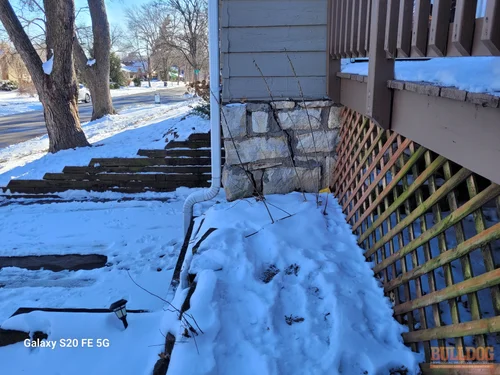
Yes, some movement in old stone foundations is normal since these structures were built to flex.
Most homes built over a century ago in the Astor Place area used a construction method called rubble construction.
Understanding “Rubble” Construction and Seasonal Flex
Old stone foundations might have some natural movement because the lime mortar used back then was designed to breathe and flex.
Unlike modern concrete, this historic material can shift slightly without falling apart.
You should know that the ground in Kansas City, MO, can be very hard on these old walls. The local clay soil expands when it gets wet and shrinks when it dries out, putting a lot of pressure on the stones.
In fact, you might even see small gaps open up during a dry summer and close back up in a wet spring.
The Difference Between Cosmetic and Structural Cracks
You can tell the difference between a minor issue and a major foundation crack repair by looking at the width of the opening.
Hairline fissures might just be a sign that the house is 101 years old and has settled into the dirt. However, “daylight” gaps are a different story.
If you can see light coming through the wall, it might mean the stones have actually separated.
Many inspectors use the 1/8-inch threshold to decide if a gap needs professional help. If the crack is wider than a nickel, it should probably be checked by someone who knows about stone foundation repair.
This is especially true if the crack looks fresh or has jagged edges.
Common Causes of Historic Foundation Stress
Stress on your walls often starts with water problems outside your home.
When rain isn’t moved away from the house, it can build up behind the stones. This creates hydrostatic pressure that might push the wall inward.
There are several things that can lead to this extra pressure:
- Gutters that are full of leaves or debris.
- Downspouts that dump water right next to the foundation.
- Flower beds that slope toward the house instead of away from it.
Mature tree roots can also be a problem for a home in Kansas City, MO.
Big roots might grow under the stones and lift them up as the tree gets taller.
This can lead to a messy foundation crack repair if the root isn’t handled correctly.
Keeping your yard maintained can go a long way in preventing an expensive stone foundation repair later on.
How do I know if my stone foundation is shifting or just settling?

You can tell if your stone foundation is shifting or just settling by looking at the direction the stones are moving and how the rest of the house reacts.
Every old home in Kansas City, MO, will experience some movement over the course of a century.
Settling vs. Shifting: The Direction of Movement
Settling usually means your home is moving straight down into the dirt as the soil packs down under the weight of the house.
This vertical movement is common in many historic neighborhoods. However, shifting usually refers to lateral movement, which means the walls are being pushed inward.
If you notice a wall bowing toward the center of the basement, it may indicate you need foundation crack repair to stabilize the structure.
Vertical cracks often point to simple settlement. Horizontal cracks or diagonal gaps might suggest that the soil is pushing the stones out of their original place.
Interior “Red Flags” Above the Foundation
You might notice signs of foundation movement in the living areas of your Kansas City, MO home long before you see them in the basement.
Sticking doors and windows can be a major clue that the house’s frame is no longer square. When the foundation moves, the wood walls above it have to twist to keep up.
This can cause several issues in your upstairs rooms:
- Slanted kitchen floors that make a marble roll toward one corner.
- Large cracks in the plaster walls that follow the corners of doors or windows.
- Gaps between the baseboards and the floorboards.
If your kitchen floor feels like it’s diving toward the exterior wall, you should probably look for a stone foundation repair expert to check the supports below.
Monitoring Movement Over Time
You can track how fast your home is moving with a simple pencil and ruler.
Draw a small mark across a crack and check it every few months to see if the lines still match up. If the gap grows quickly, it might be a sign that the ground is actively pushing against the house.
There are also plastic crack monitors you can buy that give more exact measurements. These tools can help you decide when a simple patch isn’t enough and a real foundation crack repair is required.
You should consider calling a professional if the movement occurs every time it rains. Ongoing movement can lead to a more expensive stone foundation repair if the walls aren’t stabilized soon.
Why is the mortar crumbling in my 100-year-old basement?
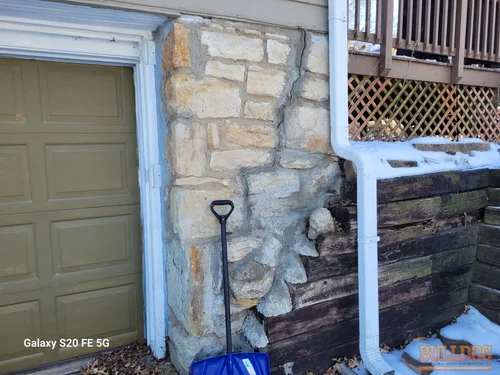
You might see the mortar crumbling in your 100-year-old basement because it was designed as a sacrificial material to protect the stones from damage.
Many historic homes in Kansas City, MO, have sandy floors because this old lime mix slowly breaks down over time.
The Science of “Sacrificial” Lime Mortar
Old mortar might erode on purpose to allow moisture to move through the wall without cracking the heavy rocks.
This process helps the wall stay flexible as the ground shifts. If the mortar didn’t crumble, the stones themselves might snap under the pressure of the earth.
You might notice that the walls seem to “sweat” during a wet spring in Kansas City, MO. This moisture migration can turn the old lime into a fine powder that piles up along the base of the wall.
The Danger of Modern “Quick Fixes”
You should be careful about using modern Portland cement to patch an old wall because it can be too hard for historic stones
Modern cement doesn’t breathe or flex like the original lime mix. When the wall moves, the hard cement can damage the edges of the soft stones, leading to a need for repair.
There are a few other common mistakes that might hurt your foundation:
- Using waterproof basement paint that traps water inside the stones.
- Patching gaps with expanding foam that doesn’t provide structural support.
- Hiring a contractor who doesn’t understand stone foundation repair for historic masonry.
Trapped water might freeze and expand, pushing the stone’s face right off the wall.
Efflorescence and Spalling
You might find a white, salty powder on your basement walls called efflorescence.
This powder isn’t mold, but it’s a sign that water is moving through the stones and leaving minerals behind. If you see this, it might mean you need to look at your gutters or yard drainage in Kansas City, MO.
Spalling is another sign of trouble, as the stone’s surface starts to flake or peel away. This often happens when the mortar is too hard or the moisture level is too high.
Ignoring these signs might lead to a more difficult foundation crack repair project later on. Catching these issues early can help you manage your stone foundation repair costs and keep your home standing for another century.
Can a stone foundation be structurally reinforced without replacing it?

Yes, you can structurally reinforce a stone foundation without replacing it by using modern support systems that work with the original masonry.
Many homeowners in Kansas City, MO, worry that a crumbling wall means they have to dig up the entire house.
Non-Invasive Reinforcement Methods
Repointing is one of the most common ways to fix a wall because it restores the breathable “glue” between the stones.
This process involves removing the loose, sandy mortar and replacing it with a new lime-based mix.
It can stop the wall from moving and keep the stones from falling out of place.
Carbon fiber straps are another modern choice for a foundation crack repair. These thin, strong strips are glued to the wall to help it resist the pressure of the earth.
They might be a great option if you have a bowing wall and don’t want to lose space in your basement.
Mechanical Support Systems
I-beam wall bracing can provide heavy-duty support when a wall is leaning inward.
These steel beams are bolted to the floor and the joists to hold the stone in place. Wall anchors (tieback braces, aka deadman braces) are another tool that might help with a difficult stone foundation repair.
These anchors use a plate in the yard to pull the wall back toward the outside:
- A steel rod is driven through the foundation wall into the soil.
- An anchor plate is buried in the yard several feet away from the house.
- The rod is tightened to provide a counter-force against the soil pressure.
This system can be very effective for houses in Kansas City, MO, where clay soil constantly pushes against the basement.
Deep Foundation Stabilization
Helical piers can be used when the ground under your home is no longer strong enough to hold the weight.
These large steel screws are driven deep into the earth until they hit solid rock or stable soil.
They might be used to lift a sagging corner or stabilize a heavy kitchen load.
Underpinning is a similar process in which new concrete is poured beneath the existing stones to reach a deeper, stronger layer of soil.
This can be a complex part of a foundation crack repair, but it helps ensure the house doesn’t sink any further.
Stabilizing your home now might save you from a total collapse later on. Investing in a professional stone foundation repair can keep your 101-year-old home safe for the next generation of buyers in Kansas City, MO.
Will a cracked stone foundation fail a home inspection?
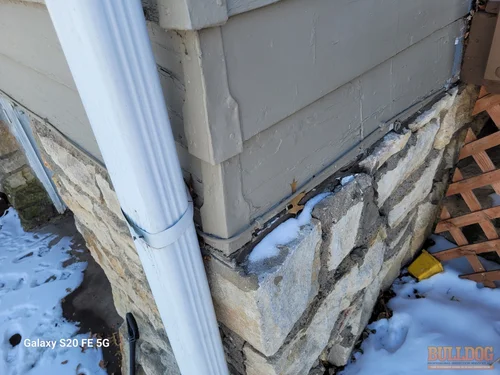
First, let’s clear up any confusion.
No, a home cannot fail a home inspection, because the process is designed only to help you understand the property’s current condition.
The report might indicate a need for stone foundation repair, but it isn’t a pass-or-fail grade. An inspection is a tool to help you make a smart choice before you buy a home in Kansas City, MO.
What Inspectors Look for in Historic Foundations
An inspector might look for the “Three B’s:”
- Bulging
- Bowing
- Buckling
These signs often indicate that the wall is struggling to support the weight of the house. They also check for any evidence of active water leaking through the stones.
You should know that fresh mud or wet spots can be a red flag for future foundation crack repair.
An inspector might look at several specific things:
- Large gaps that show fresh movement in the soil.
- Stones that have fallen out of the wall and onto the floor.
- Signs that the wall has been patched many times without fixing the root cause.
The Difference Between “Defect” and “Maintenance”
You might find that crumbly mortar is often considered deferred maintenance, while shifting stones is a serious structural defect.
Repointing the lime is a normal part of owning a 100-year-old home in Kansas City, MO. However, if the stones are moving, it may indicate that a stone foundation repair is needed to keep the house safe.
An unprotected kitchen load is a clear safety flag. When a heavy room sits on a cracked stone, it can put too much stress on that one spot. This might cause the wall to buckle faster than the rest of the foundation.
Negotiating Repairs During a Sale
If there is any major, unrepaired foundation shifting or cracking, a structural certification will be a valuable tool during a real estate transaction.
This document comes from a professional structural engineer (PE), who can determine whether the house is stable or needs foundation crack repair and can help both the buyer and the seller feel more confident about the deal.
You should expect stone foundation repair costs in Kansas City, MO, to vary depending on the amount of work required. Small safety fixes might be affordable, but major stabilization can be a big investment. Understanding these costs early helps you negotiate a better price before you close on the home.

Building a life in a historic home is a rewarding journey, but it requires a different perspective than living in a modern subdivision. My recent inspection in the Astor Place neighborhood of Kansas City, MO, was a clear reminder that these 101-year-old structures are living things that respond to their environment.
The shifting I saw under that kitchen was a combination of a kitchen remodel and a century of clay resting against the stone.
Why This Knowledge Matters for Your Investment
Understanding how your foundation works is the best way to protect your largest investment.
Many homebuyers feel panic when they see a crack in a basement wall. However, knowing the difference between a minor maintenance item and a major foundation crack repair can save you thousands of dollars during negotiations.
The Role of Ongoing Stewardship
Owning a piece of Kansas City, MO, history means becoming a steward of that property.
Simple tasks like keeping your gutters clean or extending your downspouts are actually the first steps in a successful stone foundation repair plan. These small actions reduce the hydrostatic pressure that causes walls to bow or mortar to crumble over time.
Moving Forward with Confidence
If you are looking at an old home, remember that a “perfect” foundation likely doesn’t exist in a century-old neighborhood.
What matters is whether the movement is active and whether the right materials have been used for past fixes. By asking the five questions we covered today, you can identify if a home needs a simple repointing or a more intensive stone foundation repair.
I hope this guide helps you navigate the unique challenges of our local historic real estate market. Here’s a video that explains common foundation issues in older homes.
It features a local expert explaining the specific types of foundations found in older Kansas City homes and the environmental factors that cause them to shift or leak.
About the Author
Steve Rodriguez is a professional home inspector and the owner of Bulldog Professional Inspection Services. He performs more than 600 home inspections annually all across the KC metro area.
Based in: Raymore, MO
Service Areas: Belton, Raymore, Harrisonville, Grandview, Lee’s Summit, Blue Springs, Raytown, Independence, Liberty, Kansas City, MO, Kansas City, KS, Olathe, Leawood, Overland Park, Prairie Village, Shawnee, Lenexa
Certifications: Certified Master Inspector® (CMI). International Association of Certified Home Inspectors (InterNACHI) Certified Professional Inspector since 2004.
This article is based on a real inspection conducted in January 2026. The property address has been excluded for privacy. Cost estimates reflect Kansas City metro area pricing as of January 2026 and may vary based on specific conditions and contractor selection.
Helpful Links
- Check out our GBP post about this lesson
- Recent inspections in Kansas City, MO
- Home inspection lessons found in other Kansas City, MO homes
- Learn more about your foundation system in the Kansas City area
Schedule Your Home Inspection
Call: (816) 564-3081
Email: info@bulldoginspect.com
Schedule Your Inspection Online