A master home inspector’s report on galvanized water pipes in Independence homes, with repair costs and timeline expectations
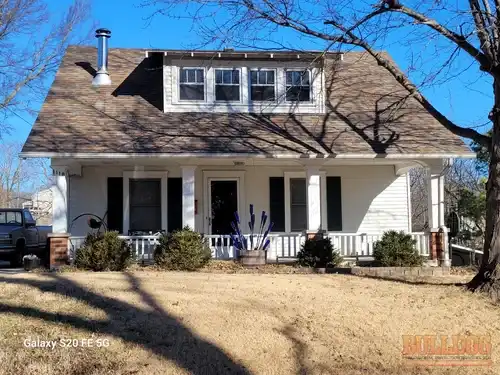
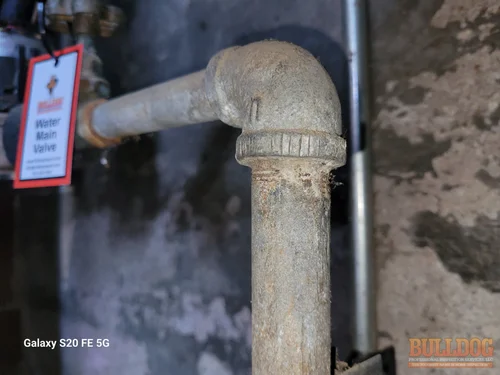
During the plumbing inspection of a 116-year-old bungalow in the South Orchard Home subdivision of Independence, MO last Monday morning, I found original galvanized water pipes throughout the home.
These pipes were installed when the home was built in 1908. In 2026, this is a common problem in Independence, MO homes built before the 1960s. The EPA’s 2024 Lead and Copper Rule Improvements now require finding and replacing these “Galvanized Requiring Replacement” lines by 2037, and homeowner questions about galvanized pipe replacement have surged since the rule passed.
Galvanized steel water pipes were standard construction in American homes from the 1880s through the early 1960s.
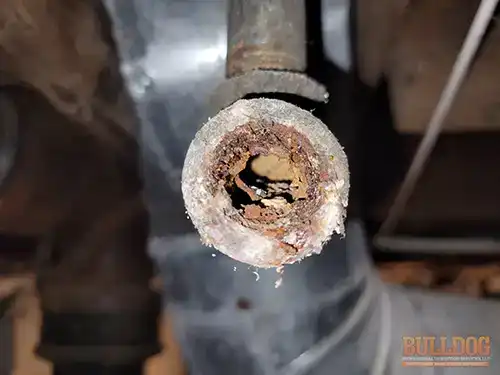
The steel is coated with zinc to resist rust, but that protection only lasts so long. After decades of water flowing through, the zinc coating wears away and the steel underneath starts to corrode. This creates two problems: reduced water pressure from buildup inside the pipes, and potential lead contamination if the pipes were connected to lead service lines or lead-based solder.
The EPA’s 2024 Lead and Copper Rule Improvements changed the conversation around galvanized pipe replacement.
The rule requires water utilities to identify and replace lead service lines and any galvanized pipes that were ever connected to lead components by 2037. That deadline put galvanized water pipes on every homebuyer’s radar in Independence, MO and across the Kansas City metro. Even if your home’s water pressure seems fine now, you’re looking at eventual replacement costs between $4,000 and $15,000 depending on home size and pipe accessibility.
In 2026, many homeowners and real estate professionals in Independence, MO are facing a common challenge: aging plumbing. If you are living in or looking at a home built before the 1960s, you are likely dealing with galvanized water pipes.
The following questions are driven by the massive surge in homeowner inquiries following the EPA’s 2024 Lead and Copper Rule Improvements (LCRI), which mandated the identification and replacement of lead and “Galvanized Requiring Replacement” (GRR) lines by 2037.
Let’s break down everything you need to know about the safety, lifespan, and costs associated with galvanized pipe replacement in Independence, MO.
Is it safe to drink water from old galvanized pipes?
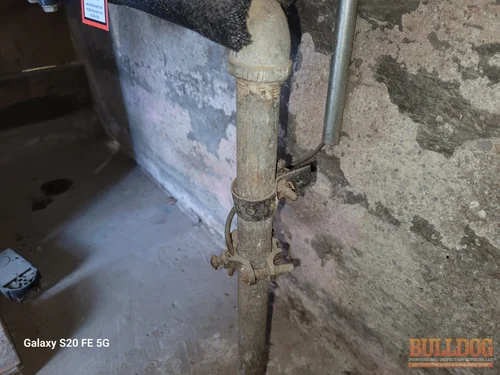
Drinking water from old galvanized pipes is not safe due to lead contamination, corrosion, and bacterial growth. Over decades, this coating fails and leads to three major concerns:
The “Lead Trap” Phenomenon
The most hidden danger of galvanized water pipes is their ability to act as a “lead trap.” The interior zinc coating is naturally porous. For years, as water traveled through old city main lines that may have contained lead, your galvanized pipes “captured” those lead particles. Even if the city has since updated its infrastructure, your old pipes can release that trapped lead back into your drinking water today. This makes galvanized pipe replacement a critical step in modernizing a home’s safety.
Health Risks for Vulnerable Groups
In 2026, we have a clear understanding of the long-term impact of lead exposure. For infants and children, lead can cause permanent damage to the brain and nervous system, resulting in lower IQ and developmental delays. For adults, chronic exposure is linked to cardiovascular issues, such as high blood pressure, and a decline in kidney health.
Corrosion and Bacteria
As galvanized pipes rust from the inside out, the smooth interior becomes jagged and pitted. This rough surface is the perfect environment for “biofilm”—a layer of microorganisms that can harbor harmful bacteria. These pockets of bacteria are often protected from standard chlorine treatments, meaning the water reaching your tap might not be as clean as the water leaving the treatment plant.
How long do galvanized water pipes last?
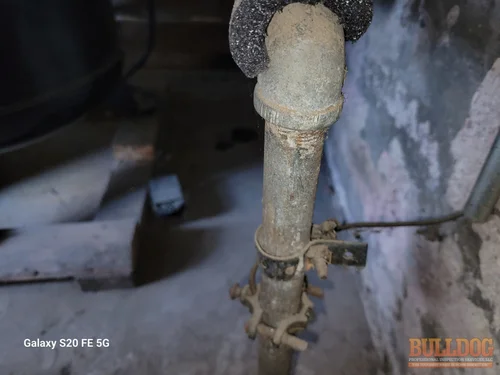
Galvanized water pipes last between 50 and 70 years theoretically, but their functional lifespan is often much shorter. If you are living in one of our city’s historic neighborhoods, understanding the lifespan of your system is key to avoiding a basement flood.
While these pipes were built to be tough, they were never meant to last forever. Here is the breakdown of why the clock is running out for many local homes.
Functional vs. Theoretical Lifespan
If you look at a textbook, galvanized water pipes have a theoretical lifespan of about 50 to 70 years. However, there is a big difference between a pipe that is “holding water” and one that is functioning correctly. In the Independence area, most homes built in the mid-20th century are still using their original plumbing. While these pipes might not have burst yet, their “functional” life—the period where they provide clean water and good pressure—has likely already passed. Internal corrosion often makes them obsolete long before they actually break.
The Ticking Clock for 2026
As we move through 2026, the math is simple but concerning. If your home was built before 1960, your pipes are now at least 66 years old. They are at the very end of that 70-year maximum window. For homes built in the post-war housing boom of the 1940s and 50s, the plumbing is effectively on “borrowed time.”
Because galvanized pipe replacement is a significant project, real estate agents and investors in the 2026 market are increasingly viewing these older systems as immediate liabilities rather than long-term fixtures. If your pipes are original to a mid-century home, they have likely exceeded their intended service life and are prone to sudden failure.
What are the signs that galvanized pipes need to be replaced?
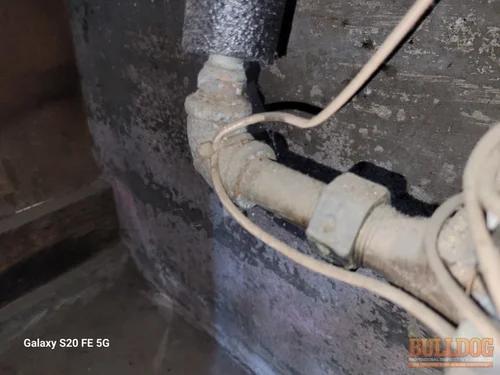
The signs that galvanized pipes need replacement include low water pressure, discolored water, and the magnet test showing steel pipes. And for those living in or shopping for a home in Independence, MO, there are three clear ways to identify if you are at the limit of your plumbing’s lifespan.
Because galvanized water pipes rust from the inside out, they often look fine on the exterior while they are failing internally. Here is how you can spot the warning signs before a major leak occurs.
Visual Identification (The Magnet Test)
The most reliable way to identify your plumbing material is a simple DIY test. Locate the water pipe where it enters your home (usually in the basement or near the main shut-off valve) and follow these steps:
Scratch it: Use a sturdy coin or a key to scratch the outside of the pipe.
Check the color: If the scratched area is silver-gray, you likely have either lead or galvanized steel. (Copper will look like a bright penny).
The Magnet Test: Grab a refrigerator magnet and see if it sticks to the pipe. If the magnet sticks, you have galvanized steel pipes. If it does not stick, you likely have lead or copper. Knowing this helps you decide if it’s time to start budgeting for galvanized pipe replacement.
Performance Issues: Internal “Arterial” Clogging
Think of your pipes like the arteries in a human body. Over decades, rust and mineral deposits build up on the inside walls of the pipe, a process often called “tuberculation.” This narrows the opening that water can travel through.
The Sign: You notice a significant drop in water pressure, especially when two fixtures are running at once (like the shower and the washing machine).
The Result: Unlike a simple clog in a drain, this is a permanent narrowing of the pipe itself that can only be fixed by replacing the line.
Water Discoloration: The “Morning Rust” Effect
One of the most common complaints from Independence, MO homeowners with old plumbing is discolored water.
The Sign: When you turn on the tap first thing in the morning, the water appears brown, yellow, or orange for a few seconds before clearing up.
The Cause: While the water sat still overnight, bits of iron and rust flaked off the inner walls of the pipe and settled in the water. This “morning rust” is a definitive sign that the protective zinc coating is completely gone and your pipes are actively decaying.
Does homeowners insurance cover galvanized pipe replacement?
Homeowners insurance does not typically cover galvanized pipe replacement because insurers classify aging pipes as wear and tear, not sudden damage. Understanding the fine print is essential before you find yourself facing an expensive repair out of pocket.
Generally speaking, insurance is designed to cover “sudden and accidental” damage, not the predictable results of a pipe reaching the end of its life.
“Wear and Tear” Exclusions
Most standard homeowners insurance policies (HO-3 policies) explicitly exclude “wear and tear” or “gradual deterioration.” Because galvanized water pipes fail over decades through slow rust and corrosion, insurance companies view their eventual failure as a predictable maintenance issue. Just as an insurer won’t pay to replace a 30-year-old roof that has simply worn out, they typically will not cover galvanized pipe replacement just because the pipes are old or have low pressure.
Sudden vs. Gradual Damage
The distinction that matters to your insurance adjuster is how the damage happened:
Sudden Damage: If a pipe freezes and bursts, or if a joint suddenly snaps and floods your basement, the resulting water damage (ruined drywall, flooring, etc.) is usually covered.
Gradual Damage: If a galvanized pipe has been slowly weeping or leaking behind a wall for months, causing rot or mold, the insurance company may deny the claim. They argue that the homeowner should have identified and fixed the slow leak as part of regular home maintenance.
Available Grants for Independence Residents
The good news for locals is that you aren’t entirely on your own. In 2026, the City of Independence Water Department is actively seeking federal grants and state revolving funds to assist homeowners. These programs are often aimed specifically at helping residents transition away from outdated infrastructure like lead and galvanized water pipes.
If you are a resident of Independence, MO, it is highly recommended to check the city’s official website or contact the Water Department directly to see if you qualify for any current subsidies or low-interest loan programs designed to help with replacement costs.
How much does it cost to replace galvanized pipes?
In 2026, galvanized pipe replacement typically costs anywhere from $2,500 and $15,000 in Independence, MO, depending on whether you replace just the service line or repipe the entire home. For those in Independence, MO, the cost of galvanized pipe replacement depends heavily on how much of the system you are updating and which modern materials you choose.
Replacing your plumbing is a significant investment, but it is one that directly increases your home’s appraisal value and ensures your water stays clean.
The Main Service Line vs. Whole-Home Repiping
It is important to distinguish between the two types of replacement projects:
Main Service Line: This is the pipe that runs from the city’s water main under the street into your home. Replacing just this line typically costs between $2,500 and $8,000, depending on the length of your yard and the depth of the line.
Whole-Home Repiping: This involves replacing all the galvanized water pipes inside your walls that lead to your sinks, showers, and toilets. For a standard 1,500-square-foot home in Independence, this usually ranges from $4,000 to $15,000.
Material Selection (PEX vs. Copper)
In 2026, homeowners generally choose between two main materials:
PEX (Cross-linked Polyethylene): This is the most popular choice for modern repiping. It is flexible, which means plumbers can often “snake” it through walls without tearing out all your drywall. It is freeze-resistant and costs about 25% to 40% less than copper.
Copper: This is the “gold standard” for durability and can last 50+ years. However, copper prices remain high in 2026, and the labor is more intensive because every joint must be soldered by hand.
The “Independence Ownership” Factor
A crucial detail for residents is that in Independence, MO, the property owner is responsible for the entire service line starting from the “tap” at the city’s water main. While some cities own the portion of the pipe under the street, Independence homeowners typically own the whole stretch to the house. This means if your service line is galvanized, the full cost of that galvanized pipe replacement falls on the owner.
Permit and Labor Costs in 2026
Don’t be tempted to take the “DIY” route for a full repipe. To maintain your home’s resale value and ensure safety, the work must meet 2026 local building codes. This requires:
Professional Labor: Licensed plumbers ensure the system is pressurized correctly and leak-free.
Permits: You must pull a permit through the Independence Building Inspections Division. Having a permitted, inspected plumbing system is a massive selling point for real estate agents when they list your home.
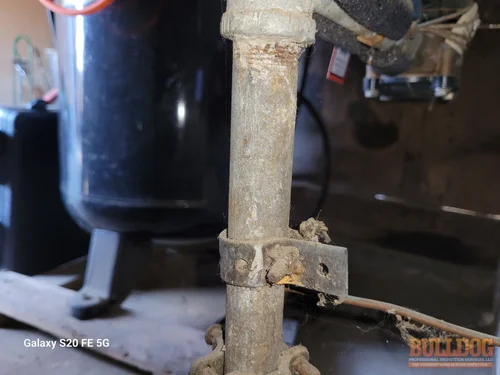
During last Monday morning’s plumbing inspection, I found original galvanized water pipes throughout this 116-year-old bungalow in the South Orchard Home subdivision of Independence, MO.
The buyer understood that old homes come with old plumbing systems. Since water pressure was still adequate during the inspection, he plans to buy the home and replace sections of galvanized water pipes as problems develop, while avoiding drinking water from the taps in the meantime.
This is the reality for thousands of homes across Independence, MO built before 1960. The EPA’s 2024 Lead and Copper Rule changed the conversation around galvanized pipe replacement, and now every pre-1960s home inspection includes a hard look at the plumbing materials and their expected service life.
If you’re buying or living in an older home in Independence, MO, knowing what you’re dealing with matters. Galvanized pipe replacement isn’t cheap, with costs ranging from $2,500 to $15,000 depending on scope, but it’s predictable. A thorough home inspection gives you the information you need to make informed decisions about timing, budgeting, and safety before you’re facing an emergency repair situation.
About the Author
Steve Rodriguez is a professional home inspector and the owner of Bulldog Professional Inspection Services. He performs more than 600 home inspections annually all across the KC metro area.
Based in: Raymore, MO
Service Areas: Belton, Raymore, Harrisonville, Grandview, Lee’s Summit, Blue Springs, Raytown, Independence, Liberty, Kansas City, MO, Kansas City, KS, Olathe, Leawood, Overland Park, Prairie Village, Shawnee, Lenexa
Certifications: Certified Master Inspector® (CMI). International Association of Certified Home Inspectors (InterNACHI) Certified Professional Inspector since 2004.
This article is based on a real inspection conducted in January 2026. The property address has been excluded for privacy. Cost estimates reflect Kansas City metro area pricing as of January 2026 and may vary based on specific conditions and contractor selection.
Helpful Links
- Check out our GBP post about this lesson
- Recent inspections in Independence, MO
- Home inspection lessons found in other Independence, MO homes
- Learn more about your plumbing system in the Independence area
Schedule Your Home Inspection
Call: (816) 564-3081
Email: info@bulldoginspect.com
Schedule Your Inspection Online