A home inspector’s account of fire damage in Kansas City, MO homes, with warning signs and repair costs
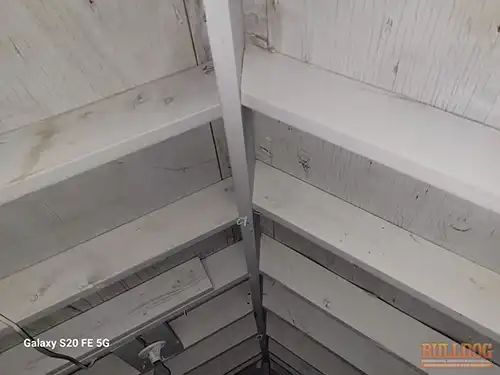
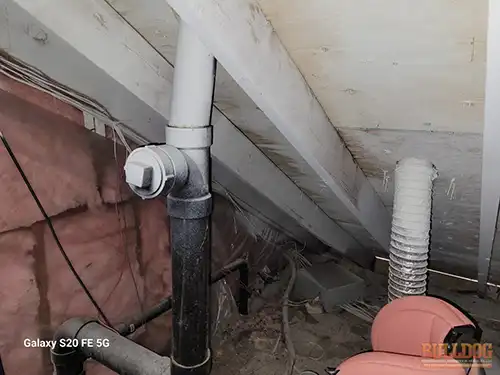
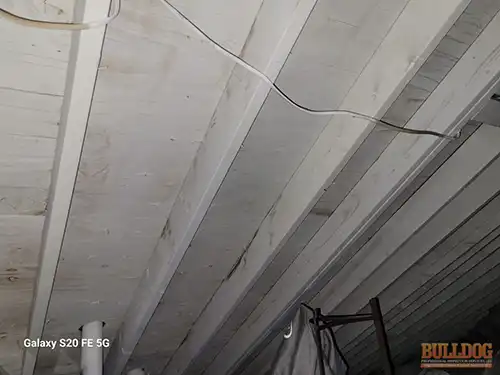
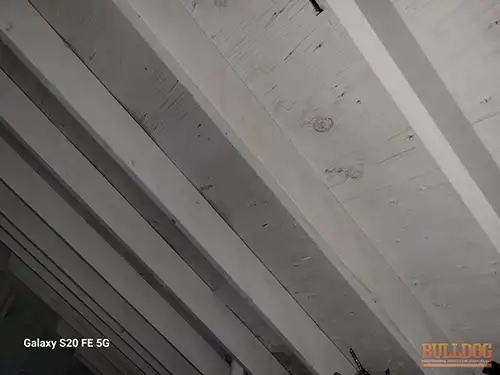
Tuesday afternoon during the roof inspection of an occupied 76-year-old 2-story home in the Moore’s Southland subdivision of Kansas City, MO, I found the framing members for the entire home painted white.
The attic was white and when I got to the lowest level of the home, I the floor joists were also painted white.
This told me the entire home had been significantly impacted by a fire or major smoke damage. After fire damage or heavy smoke exposure, all affected spaces—especially the attic—get painted in either silver or white paint to encapsulate the smoke smell. That also explained why a 76-year-old home had been fully rehabbed from top to bottom.
The current homeowners had only been living there for two years and didn’t disclose any information about a previous fire, which told me they didn’t get a home inspection when they purchased.
However, since all the mechanicals in the home were 13 years old, this also told me that the catastrophe that triggered the complete rehab may have happened 13 years ago.
Smoke encapsulation is a common remediation technique used after significant fire damage to seal in odors and prevent them from permeating the living spaces.
Fire damage in Kansas City, MO homes doesn’t always mean the structure is unsafe, but it does mean you need to understand what happened and whether the repairs were done correctly.
When a home has been fully rehabbed after a fire, buyers should verify that all systems were replaced or properly tested, that structural components were inspected and repaired, and that smoke encapsulation was done throughout all affected areas.
Without disclosure from the sellers, you’re left piecing together the history through clues like uniform mechanical ages, fresh paint in unusual places, and complete interior renovations in older homes.
Understanding Fire Damage: What It Is and Why Homes Need Smoke Encapsulation
What Is Smoke Encapsulation?
Smoke encapsulation is a specialized painting technique used after fire damage to seal in smoke odors and prevent them from recontaminating the living space.
The process involves applying shellac-based primer or specialized sealing paint—typically white or silver—to all affected surfaces including walls, ceilings, floor joists, and structural framing. This creates a permanent barrier that traps volatile organic compounds and particulate matter left behind by smoke.
Why Fire Damage Requires Complete Remediation
Fire damage in Kansas City, MO homes extends far beyond visible charring or burn marks.
Smoke penetrates every porous surface it contacts—drywall, wood framing, insulation, and even concrete.
The acidic compounds in smoke can continue to corrode metal, degrade materials, and release odors for years if not properly sealed.
That’s why professional remediation companies don’t just clean or repaint—they systematically seal every affected surface with specialized products designed for smoke encapsulation.
How Smoke Damage Progresses Without Proper Encapsulation
Without smoke encapsulation, residual smoke compounds continue to off-gas into living spaces.
This can trigger respiratory issues, aggravate allergies, and create persistent odors that worsen in humid weather.
The acidic nature of smoke residue also accelerates corrosion of electrical components, HVAC systems, and plumbing fixtures.
In Kansas City, MO where humidity levels fluctuate seasonally, unencapsulated smoke damage becomes more apparent during summer months when moisture reactivates dormant odors. Proper smoke encapsulation prevents these long-term complications.
Identifying Previous Fire Damage During Inspection
When I inspect homes with suspected fire damage, I look for telltale signs beyond the obvious paint color.
All mechanical systems having the same installation date suggests simultaneous replacement after a catastrophic event.
Fresh drywall, new subflooring, or replaced framing in isolated areas indicate localized fire damage. Complete interior renovations in older homes—especially when paired with white or silver paint in crawlspaces and attics—strongly suggest previous fire damage with smoke encapsulation remediation.
Here are the most common questions homebuyers ask me about fire damage and smoke encapsulation in Kansas City, MO homes.
How can you tell if a house has had fire damage?
You can tell if a house has had fire damage by examining multiple areas for telltale signs that sellers sometimes attempt to conceal.
Uneven paint jobs, particularly in attics and high ceilings where smoke rises, often indicate efforts to cover smoke staining.
Fresh paint that appears newer than surrounding areas or has unusual texture can signal concealment attempts.
Lingering smoke odor provides strong evidence of past fire damage, especially in enclosed spaces like closets, attics, and basements. While some sellers mask these smells with air fresheners or strong artificial fragrances, the underlying odor typically persists.
Opening cabinet doors, checking crawl spaces, and examining less-ventilated areas can reveal what air fresheners hide.
Soot residue proves difficult to remove completely from hidden locations.
Dark, oily stains or black dust around vents, baseboards, light fixtures, and attic rafters indicate smoke exposure.
Areas behind appliances, inside closets, and along floor joists often retain soot that cleaning efforts missed. Unexplained renovations or repairs in Kansas City, MO homes raise red flags when sellers can’t provide clear explanations.
New insulation in the attic paired with older materials elsewhere, recently replaced floor joists without obvious cause, or fresh electrical panels in homes with otherwise dated systems all warrant investigation.
Wood framing members sometimes show visible charring or discoloration even after painting. The texture and appearance of burned wood differs from normal aging, and close inspection of exposed beams, rafters, and structural elements can reveal damage that paint attempts to hide. Electrical system replacements in homes where other components remain original suggest possible electrical fire repairs.
Professional home inspectors in Kansas City, MO sometimes use thermal imaging cameras to detect temperature anomalies, moisture meters to find hidden water damage from firefighting efforts, and visual examination techniques to spot structural compromises.
Insurance claim history through CLUE reports can reveal past fire incidents, though not all fires generate insurance claims.
Requesting disclosure documents and asking direct questions about the property’s history remains essential when evaluating any Kansas City, MO home for purchase.
What areas get painted white or silver after fire damage?
Attics, basements, wall cavities, HVAC ductwork, and garage interiors typically get painted white or silver after fire damage.
Roof rafters, trusses, plywood sheathing, and exposed framing members in attics all get coated to seal smoke odor into the wood because smoke rises and concentrates in these upper spaces.
Even when fires occur elsewhere in the home, attic spaces often suffer heavy smoke penetration requiring comprehensive sealing.
Basements and crawl spaces also get painted when smoke travels through floor systems or when fires originate in lower levels.
Floor joists, rim boards, foundation walls, and subfloor materials also receive encapsulation coatings to prevent persistent odors from affecting living spaces above.
Wall cavities and interior framing sometimes get sealed before drywall replacement.
When restoration involves removing damaged drywall, professionals often spray studs, plates, and cavity spaces with encapsulation products before installing new finishing materials.
HVAC ductwork receives specialized encapsulation paint because smoke particles travel through ventilation systems and coat interior duct surfaces.
Both fiberglass-lined and unlined ductwork can be treated with products formulated specifically for these applications.
Garage interiors commonly get painted white or silver after fires, particularly when flames originate in these spaces. Exposed studs, ceiling joists, and concrete or masonry walls all receive coating to eliminate lingering smells before finishing work proceeds.
The choice between white and silver paint typically reflects product formulation rather than performance differences.
White shellac-based primers and white water-based encapsulants dominate residential applications in Kansas City, MO.
Complete home encapsulation occurs after major fires. Every exposed surface in attics, basements, wall cavities, and living spaces gets sealed before reconstruction. This comprehensive approach ensures smoke odor doesn’t resurface months or years later when temperature and humidity changes cause materials to release trapped volatiles.
The extent of painting depends on fire severity and smoke travel patterns.
What does smoke encapsulation paint do after a fire?
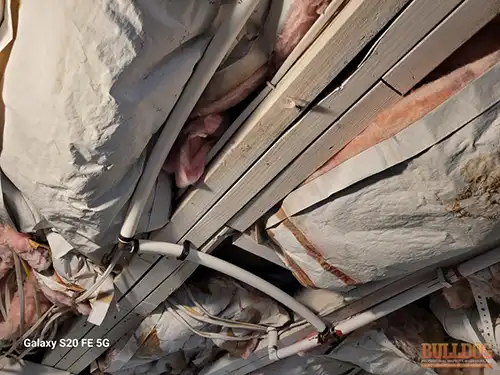
Smoke encapsulation paint creates a protective barrier that seals smoke odor and residue into structural surfaces after fire damage restoration.
These specialized coatings prevent lingering smoke smells from returning even months or years after a fire.
Unlike regular paint, encapsulation sealers contain advanced polymer systems designed specifically for fire restoration work.
Products like shellac-based primers and water-based odor blockers trap smoke particles that have penetrated deep into porous materials like wood framing, drywall, and concrete.
The coating forms a chemical barrier that stops volatile compounds from escaping and causing persistent odors.
Professional restoration teams in Kansas City, MO apply encapsulation paint only after thorough cleaning and decontamination. The proper sequence involves removing soot and debris, treating surfaces with odor neutralizers, and then applying the sealer as a final step.
Attempting to paint over uncleaned smoke damage won’t work because the contamination underneath will eventually bleed through.
Most encapsulation products come in white or clear formulations, though some can be tinted.
White shellac-based primers have been the industry standard for decades because they adhere to compromised surfaces and block both stains and odors effectively.
These coatings maintain breathability while blocking smoke odor, which prevents moisture from becoming trapped inside building materials. This characteristic makes them suitable for use in attics, crawl spaces, and even HVAC ductwork where ventilation matters. The effectiveness of encapsulation paint depends on proper surface preparation.
Smoke residue must be removed first because the sealer traps what remains rather than eliminating contamination.
Some restoration projects require multiple coats, particularly on heavily stained or porous surfaces like exposed wood framing.
Should you buy a house that’s been painted after a fire?
You should buy a house that’s been painted after a fire only if restoration was completed properly and professionally inspected, but thorough due diligence is required before committing.
The decision hinges on verification that all structural, electrical, and safety issues were addressed rather than simply concealed with fresh paint.
Professional home inspection becomes essential when evaluating fire-affected properties in Kansas City, MO.
Inspectors use thermal imaging to detect hidden structural damage, moisture meters to find water intrusion from firefighting efforts, and visual examination to assess repair quality.
They check whether load-bearing elements remain sound, electrical systems function safely, and plumbing shows no heat damage.
Properties properly restored after fire damage often sell below market value, potentially offering buyers significant savings and equity opportunities.
Some investors specifically target these Kansas City, MO homes because the discounted purchase price combined with verified repairs can yield strong returns.
The key distinction lies between homes with documented, code-compliant restoration versus those with cosmetic coverups.
Red flags include sellers reluctant to provide detailed repair documentation, missing permits for major work, or inconsistent materials throughout the home.
New insulation in the attic but old materials elsewhere, recently replaced joists without clear cause, or fresh electrical panels paired with dated fixtures all warrant investigation.
Mortgage financing presents challenges when fire damage wasn’t fully remediated. Lenders typically refuse loans on uninhabitable properties, requiring buyers to either pay cash or secure specialized renovation financing like FHA 203k loans.
Insurance considerations matter significantly.
CLUE reports reveal insurance claim history and can confirm whether reported fire damage matches seller disclosures.
Properties with verified, professional restoration and clear documentation can represent solid investments. Those with suspicious painting, limited repair records, or sellers avoiding questions about past incidents carry substantial risk. The difference between a bargain and a money pit often comes down to the quality and verifiability of restoration work performed.
How much does fire damage restoration cost?
Fire damage restoration typically costs between $3,000 and $51,000, with most homeowners spending around $20,000 to $27,000.
The final price depends on fire severity, affected square footage, and the extent of structural damage.
Small, contained fires like minor kitchen incidents may cost as little as $800 to $5,000 to remediate.
These projects typically involve smoke damage cleanup, soot removal, and odor treatment in limited areas.
Moderate damage affecting multiple rooms in Kansas City, MO generally ranges from $14,000 to $38,000, while severe fires requiring structural repairs can exceed $50,000 or reach into six figures for extensive rebuilds.
The cost per square foot for fire restoration services averages $4 to $7, though this varies based on damage type and property size.
A 2,000-square-foot home might see total costs around $8,000 to $18,000 for moderate damage, while the same property with severe damage could require $30,000 to $90,000 or more.
Individual restoration services carry distinct price ranges.
Water damage cleanup from firefighting efforts typically costs $1,000 to $6,000.
Soot removal averages $2,000 to $6,000.
Structural repairs represent the highest expense category when fire compromises building integrity. Foundation work, beam replacement, or roof reconstruction can push total costs well above average estimates.
Electrical system repairs add $1,000 to $10,000 or more when wiring requires replacement.
The type of fire affects restoration expenses. Class A fires involving ordinary combustibles like wood and paper cost $9,000 to $14,000 to restore. Class B fires involving flammable liquids range from $14,000 to $20,000 due to more extensive damage and specialized cleaning requirements.
Most homeowners insurance policies cover fire damage restoration, though out-of-pocket costs depend on deductibles and coverage limits.
Getting multiple estimates from certified restoration companies in Kansas City, MO helps ensure fair pricing and comprehensive coverage assessment.
I see this pattern in Kansas City, MO homes more often than most buyers expect: complete renovations that look perfect on the surface but hide a complicated history underneath.
Fire damage shouldn’t automatically disqualify a property from being a solid purchase, but it does require you to verify that repairs were done right.
Get a professional home inspection that includes thermal imaging and documentation review.
Ask direct questions about the property’s history and request all available repair records.
Proper fire damage restoration with smoke encapsulation can cost anywhere from $3,000 to over $50,000 depending on severity, so understanding what was done and whether it was completed correctly protects you from inheriting someone else’s shortcut repairs.
About Steve Rodriguez
Steve Rodriguez is a Certified Master Inspector® and the owner of Bulldog Professional Inspection Services, serving Kansas City, MO and surrounding areas since 2004. With over 15,000 inspections completed, Steve specializes in identifying hidden issues in older homes, including fire damage, foundation problems, and structural concerns that other inspectors often miss. He provides same-day inspection reports and has earned recognition as one of the top home inspectors in the Kansas City metro area.
Based in: Kansas City Metro Area
Service Areas: Belton, Raymore, Harrisonville, Grandview, Independence, Lee’s Summit, Blue Springs, Raytown, Olathe, Leawood, Lenexa, Overland Park, Prairie Village, Shawnee, Kansas City, KS., Liberty, and Kansas City, MO.
Certifications: Certified Master Inspector®, InterNACHI Certified Professional Inspector (since 2004)
Helpful Links
- Check out our GBP post about this lesson
- Recent inspections in Kansas City, MO
- Home inspection lessons found in other Kansas City, MO homes
- Learn more about your roof system in the Kansas City area
Schedule Your Home Inspection
Call: (816) 564-3081
Email: info@bulldoginspect.com
Schedule Your Inspection Online