A master home inspector’s look back on chimney liner and gas appliance venting in an Overland Park, KS 1.5-story home, with safety warnings and repair cost.
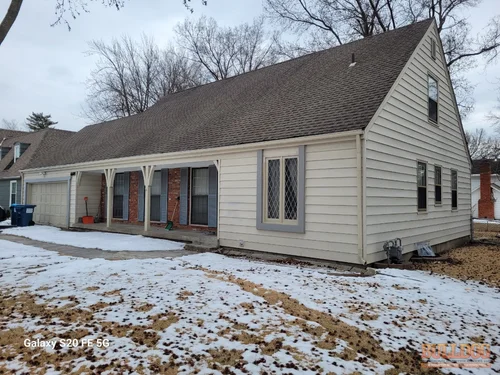
During a recent plumbing inspection of an occupied, 61-year-old 1.5-story home in the Nall Hills subdivision of Overland Park, KS, I found that both the furnace and water heater were venting their exhaust gas into an unlined clay chimney flue.**
That’s a finding that can catch both home inspectors and homeowners off guard.
Historically, chimneys were simply brick-and-mortar columns for venting wood smoke. Open-hearth fireplaces created hot, dry exhaust that rose naturally and left minimal residue.
Back then, condensation, acid corrosion, or liner materials weren’t considered because wood combustion didn’t require them.
This changed as home heating evolved. Gas furnaces and water heaters burn cleaner and cooler than wood, trading efficiency for cooler, moisture-laden exhaust that can condense in the chimney before reaching the top.
Clay tile liners addressed this problem in the mid-20th century and worked reasonably well for a while.
Chimney contractors generally say clay flue tiles last about 20 years before they crack, spall, or break down at the mortar joints. Afterward, the chimney flue can allow combustion gases into the home.
If your Overland Park, KS home is over 50 years old, has a chimney, and uses a gas furnace or water heater, there’s a real chance the venting doesn’t meet current safety standards. A stainless steel chimney liner is typically the correct solution—understanding why helps keep your home safe.
These are 5 trending questions Overland Park, KS homeowners are asking about chimney liners and gas appliance venting
Do I need a chimney liner for a gas furnace?
The Quick Answer: In most cases, yes. Modern gas furnaces produce cooler, moisture-laden exhaust that can condense in an unlined masonry chimney, causing acid damage and potentially backdrafting combustion gases into your living space. Most building codes and appliance manufacturers require that gas furnaces vent through a correctly sized, listed chimney liner rather than directly into a bare masonry flue.
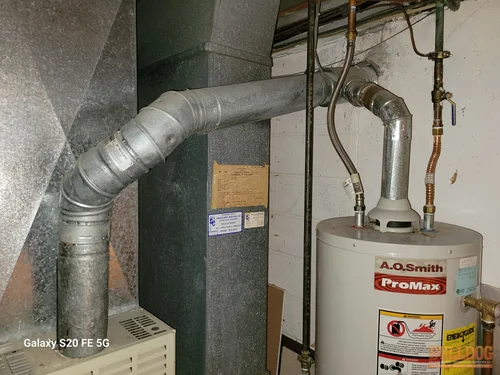
The physics of condensation in modern gas exhaust systems
Older, less efficient furnaces ran hot, helping exhaust gases quickly exit the chimney before condensing. Modern high-efficiency furnaces extract so much heat that flue gases can be as cool as 110–140°F—too low to draft well through a large, cold masonry chimney.
When those cooler gases slow down inside the flue, they condense on the chimney walls.
That condensation isn’t just water. It contains carbonic and sulfuric acid byproducts from combustion, and over time, those acids can eat through mortar joints, clay tile segments, and the brick itself. Without a properly fitted chimney liner to contain and direct the exhaust, the flue can deteriorate from the inside out.
How furnace efficiency ratings dictate venting material requirements
Not every gas furnace vents the same way; the efficiency rating usually dictates the required venting type.
Mid-efficiency furnaces in the 80 to 83 percent AFUE range typically use natural draft venting and can work with a lined masonry chimney in some situations. High-efficiency condensing furnaces with AFUEs of 90 percent or higher produce so much condensation that they almost always bypass the chimney entirely, venting through PVC pipe directly to the exterior.
If your Overland Park, KS home has an older mid-efficiency furnace still connected to a masonry chimney, a stainless steel chimney liner is typically the correct and code-compliant solution.
The impact of acidic flue gases on masonry and mortar joint integrity
Acid damage from unlined gas venting is gradual, making it easy to overlook.
Mortar joints are porous by nature. When acidic condensation soaks into them repeatedly over the years, the mortar softens and eventually crumbles. Once the joints fail, the structural integrity of the entire chimney stack can be affected.
In a home inspection, this kind of deterioration might show up as:
- Soft or missing mortar between brick courses
- White staining (efflorescence) on the exterior chimney face
- Spalling or flaking brickwork near the roofline
- Deteriorating clay tile segments inside the flue
A stainless steel chimney liner isolates acidic exhaust from the surrounding masonry, which is why it’s the preferred long-term fix for venting gas appliances through an older chimney.
National building codes and safety standards regarding gas appliance venting
Building codes on this issue aren’t ambiguous.
The International Fuel Gas Code and NFPA 54 require gas appliances to vent through properly sized, listed systems. For masonry chimneys, this usually means a listed metal liner or approved system.
Appliance installation instructions also matter: failing to follow them can void the warranty, create code violations, affect insurance coverage, and complicate future home sales in Overland Park, KS.
Is it safe to vent a gas water heater into an unlined chimney?
The Quick Answer: It’s generally not safe, and in most jurisdictions it’s not code-compliant either. An unlined masonry chimney is typically oversized for a gas water heater operating alone, which can cause draft failure and allow combustion gases to spill back into the home. A correctly sized stainless steel liner is usually the safest and most code-compliant solution for this type of installation.
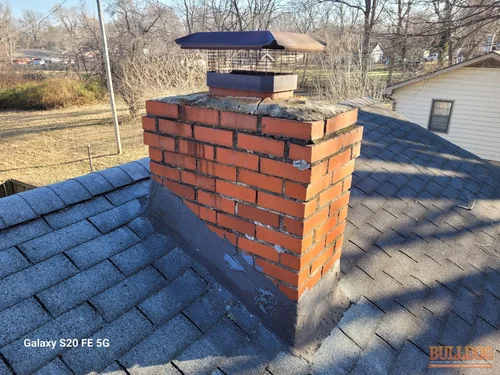
The specific hazards of the “orphan water heater” configuration
This is one of the more common and underappreciated venting problems in older homes.
When a gas furnace is upgraded to a high-efficiency model that vents through PVC, the water heater often stays connected to the old masonry chimney. This orphan water heater setup, where a single appliance uses a flue sized for two, can create serious safety concerns.
A flue too large for one appliance usually drafts poorly, allowing combustion gases to linger or spill into the living space.
Why oversized flues cause draft failure and combustion gas backdrafting
Chimney draft depends on a column of warm air rising through a contained space.
When a flue is too large, warm exhaust disperses before creating enough upward pressure to exit the chimney. The gas cools, loses momentum, and may even reverse, causing backdrafting that can push carbon monoxide and water vapor into the home.
This condition lacks obvious signs or smells, making it dangerous in Overland Park, KS homes with orphaned water heaters after furnace upgrades.
Identifying visible indicators of moisture damage and white efflorescence
Moisture is usually the first sign that gas appliance venting is failing inside a masonry chimney.
During a home inspection, visible indicators of a venting problem might include:
- White mineral deposits (efflorescence) streaking down the exterior brick
- Rust staining around the flue collar or draft hood of the water heater
- Peeling paint or moisture staining on walls or ceilings near the chimney chase
- Deteriorating mortar joints or spalling brick on the chimney exterior
These signs don’t confirm backdrafting but suggest moisture-laden exhaust isn’t exiting properly. A chimney liner sized for the water heater’s BTU rating can often resolve the draft problem.
Modern venting alternatives: Power-venting and electric upgrades
A stainless steel chimney liner isn’t the only solution for an orphaned water heater.
Power-vent water heaters use an electric blower to push exhaust horizontally through PVC pipe, eliminating the need for a chimney entirely. Direct-vent models pull combustion air from outside and exhaust through a two-pipe system through an exterior wall. And tankless electric water heaters sidestep the venting issue entirely because there’s no combustion.
Each option comes with its own installation cost and utility trade-offs; the right choice depends on the home’s setup and the homeowner’s long-term plans.
Can carbon monoxide leak through a brick chimney?
The Quick Answer: Yes, it can. As mortar joints deteriorate over time, a brick chimney can develop porous pathways that allow combustion gases, including carbon monoxide, to seep through the chimney wall and into adjacent living spaces. A deteriorating, unlined masonry chimney connected to a gas furnace or water heater is one of the more serious venting hazards found in older homes.

How mortar decay creates porous pathways for combustion gases
Brick is relatively durable, but mortar isn’t.
Standard mortar is porous, absorbing moisture with each heating and cooling cycle. Over the decades, expansion and contraction break down the mortar, leaving invisible hairline gaps large enough for gas to migrate through the chimney wall.
When a gas appliance is venting into that deteriorated flue, combustion byproducts have a path of least resistance that doesn’t lead up and out.
Identifying structural cracks and voids in aging masonry stacks
Most of the deterioration inside an older chimney isn’t visible without a proper inspection.
Interior flue surfaces can develop cracks, gaps at tile joints, and sections of missing mortar that only show up under flashlight inspection or camera scope. Exterior signs tend to be subtler and are often dismissed by homeowners as cosmetic issues they don’t recognize.
Visible warning signs on an aging masonry chimney might include:
- Horizontal cracking along mortar joints near the roofline
- Sections of brick that sound hollow when tapped
- Gaps or separations between clay tile segments inside the flue
- Staining or discoloration on interior walls adjacent to the chimney chase
Any of these conditions on a chimney that’s still connected to a gas appliance warrants a closer look by a qualified chimney professional.
Pressure differentials: How home insulation affects chimney draft
This one surprises many homeowners.
Modern weatherization and insulation upgrades can actually make chimney draft problems worse. A tightly sealed home has less natural air infiltration, which means appliances that rely on indoor air for combustion can depressurize the surrounding area. That negative pressure can pull flue gases back down through a deteriorating chimney rather than allowing them to rise and exit.
It’s a problem that tends to show up after a home has been upgraded with new windows, added attic insulation, or sealed crawl spaces.
Gas appliance venting in a tight, well-insulated Overland Park, KS home may need to be evaluated alongside the home’s overall ventilation strategy, rather than in isolation.
The critical role of carbon monoxide detectors in homes with masonry chimneys
Carbon monoxide is odorless and colorless, which makes a functioning detector non-negotiable.
The Consumer Product Safety Commission recommends installing CO detectors on every level of the home, including outside each sleeping area. In a home with an aging masonry chimney and gas appliances still connected to it, that recommendation should be treated as a minimum baseline rather than an optional upgrade.
A properly installed chimney liner is the structural fix, but a CO detector is the early warning system that can protect a family while other repairs are being evaluated or scheduled.
What happens if you don’t have a chimney liner for a gas furnace?
The Quick Answer: Without a properly sized chimney liner, a gas furnace can accelerate deterioration of the surrounding masonry, increase the risk of combustion gas backdrafting, and create conditions that may violate local building codes. Over time, the consequences can range from costly structural repairs to reduced appliance lifespan and potential safety hazards for the people living in the home.

Accelerated structural deterioration and spalling of exterior brickwork
The damage tends to start on the inside and work its way out.
Acidic condensation from unlined gas appliance venting soaks into the masonry from the flue interior, weakening mortar joints one heating cycle at a time. As moisture migrates outward through the chimney wall, it can cause exterior brick faces to flake and pop off, a process called spalling. What appears to be a cosmetic issue from the ground is often a sign of deeper structural compromise.
In colder climates like Overland Park, KS, freeze-thaw cycles accelerate this process considerably.
The risk of internal flue blockages from falling clay tiles and debris
Deteriorating clay tile liners don’t just crack; they can collapse.
As mortar joints between clay tile segments fail, sections of tile can shift, separate, and fall into the flue. That debris can partially or fully block the exhaust pathway, forcing combustion gases to find another route out. In a worst-case scenario, a blocked flue with a gas appliance still operating can cause a dangerous buildup of carbon monoxide inside the home.
It’s a condition that can develop gradually over years without any obvious external warning signs.
Potential insurance liabilities and safety code non-compliance
This is an area that often catches homeowners off guard during a sale.
Many homeowner’s insurance policies contain exclusions for damage caused by deferred maintenance or code-non-compliant installations. If a gas appliance is venting into an unlined chimney in violation of local code or manufacturer specifications, a resulting claim could be denied. That same code issue can surface during a home inspection and become a negotiating point or deal-breaker in a real estate transaction.
The most common code-related concerns tied to unlined chimney venting tend to involve:
- Improper flue sizing relative to appliance BTU output
- Missing or deteriorated liner in a required venting application
- Lack of a listed termination cap at the chimney crown
- Combustion air supply deficiencies in the mechanical room
Addressing a chimney liner deficiency before listing a home in Overland Park, KS, is usually a smarter financial move than negotiating a credit after inspection.
Long-term reduction in appliance lifespan due to improper venting
Gas furnaces and water heaters are designed to operate within specific venting parameters.
When exhaust can’t exit the flue efficiently, it can create back pressure that stresses heat exchangers, draft hoods, and internal components. Appliances that consistently operate outside their design parameters tend to fail earlier than expected. A furnace that should last 18 to 20 years might start showing problems at 12 if venting conditions have been working against it the entire time.
A correctly installed chimney liner doesn’t just protect the masonry. It protects the appliance connected to it.
How much does a chimney liner cost in 2026?
The Quick Answer: In 2026, a stainless steel chimney liner installation typically runs between $2,500 and $5,000 for a standard single-story or two-story residential home, depending on flue height, liner diameter, and local labor rates. Ancillary repairs like crown work, caps, and mortar pointing can add to that total, but the cost is generally far less than repairing the structural and appliance damage that an unlined chimney can cause over time.
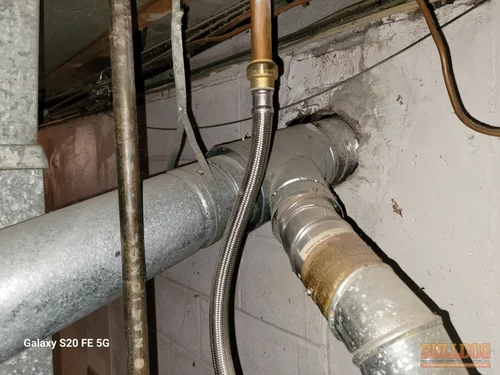
Current 2026 price benchmarks for stainless steel and aluminum liners
Material choice is usually the first cost variable a homeowner encounters.
Stainless steel liners are the most widely recommended option for gas appliance venting because they resist corrosion from acidic condensation and carry longer manufacturer warranties. Flexible stainless liner systems for a single-story home typically fall in the $600 to $1,200 range for materials alone. Aluminum liners cost less upfront but are generally approved only for natural gas appliances operating at lower temperatures and aren’t suitable for oil- or wood-burning applications.
For most Overland Park, KS homes with gas furnaces or water heaters, stainless steel is usually the right choice.
Labor cost factors for multi-story residential installations
Labor is where costs can vary significantly from one job to the next.
A straightforward liner installation on a single-story home with easy rooftop access might run $800 to $1,500 in labor. A two-story home with a tall chimney, difficult roof pitch, or limited attic access can push labor costs to $2,000 or more. The number of appliances connecting to the flue, the condition of the existing chimney, and whether any preliminary repair work is needed before the liner can be installed all factor into the final number.
Getting two or three quotes from licensed chimney contractors is a reasonable approach before committing to a specific installer.
Common ancillary expenses: Crown repairs, caps, and masonry pointing
The liner itself is rarely the only expense.
A chimney crown that’s cracked or deteriorated needs to be repaired or rebuilt before a new liner installation will hold up long-term. A quality stainless steel chimney cap protects the liner termination from rain intrusion, debris, and wildlife, and typically adds $100 to $300 to the project. Mortar pointing, which involves repairing deteriorated joints on the exterior chimney stack, can run anywhere from a few hundred to several thousand dollars, depending on how much of the chimney needs attention.
A complete chimney liner project in Overland Park, KS might reasonably include:
- Flexible stainless steel liner with insulation wrap
- Top plate and appliance connector fittings
- Stainless steel chimney cap
- Crown repair or rebuild if needed
- Exterior mortar pointing for deteriorated joints
Bundling these repairs into a single contractor visit usually costs less than addressing them separately over time.
The financial impact of chimney liners on property value and home negotiations
A chimney liner deficiency showing up in a home inspection report can affect more than just repair costs.
Buyers who receive an inspection report flagging unlined gas appliance venting into a masonry chimney often request either a repair credit or a completed repair before closing. In a competitive market, a seller who has already addressed the issue is in a stronger negotiating position than one who hasn’t. For real estate investors evaluating older homes in Overland Park, KS, factoring in chimney liner costs into the acquisition budget is a reasonable part of due diligence for any home built before 1980.
The cost of a chimney liner is usually a one-time expense. The cost of ignoring the need for one tends to compound.
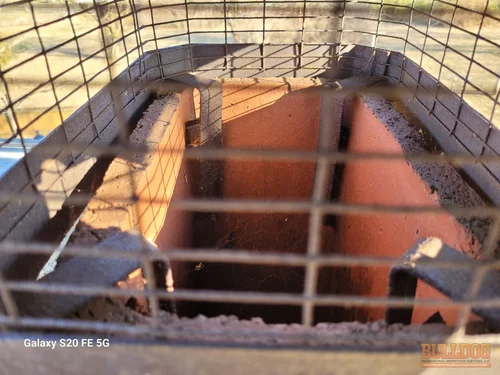
The Nall Hills home I inspected wasn’t unusual for its age.
A 61-year-old home in Overland Park, KS, with original clay flue tiles and two gas appliances still venting into an unlined chimney is more common than most homeowners realize. The furnace and water heater were doing exactly what they were installed to do. The problem was what they were venting into.
That’s the kind of finding that doesn’t trip a smoke alarm or show up on a utility bill.
Overland Park has a significant number of homes built between the 1950s and 1980s, many in well-established subdivisions such as Nall Hills, Indian Creek, and Tomahawk Hills. These are solid, well-built homes, but their original venting systems were designed around different appliances and different building science than what’s standard today.
If you’re buying, selling, or simply living in one of these homes, chimney liner condition is worth understanding before a problem develops rather than after.
A home inspector can identify the venting configuration and flag concerns. A licensed chimney contractor can scope the flue, assess the liner condition, and recommend the right solution. And a stainless steel chimney liner, when it’s needed, is one of the more straightforward investments a homeowner can make in the long-term safety and integrity of the home.
If you have questions about what I found during a home inspection in Overland Park, KS, or anywhere else in the Kansas City metro, I’m happy to talk it through.
About the Author
Steve Rodriguez is a professional home inspector and the owner of Bulldog Professional Inspection Services. He performs more than 600 home inspections annually all across the KC metro area.
Based in: Raymore, MO
Service Areas: Belton, Raymore, Harrisonville, Grandview, Lee’s Summit, Blue Springs, Raytown, Independence, Liberty, Kansas City, MO, Kansas City, KS, Olathe, Leawood, Overland Park, Prairie Village, Shawnee, Lenexa
Certifications: Certified Master Inspector® (CMI). International Association of Certified Home Inspectors (InterNACHI) Certified Professional Inspector since 2004.
This article is based on a real inspection conducted in February 2026. The property address has been excluded for privacy. Cost estimates reflect Kansas City metro area pricing as of February 2026 and may vary based on specific conditions and contractor selection.
Helpful Links
- Check out our GBP post about this lesson
- Recent inspections in Overland Park, KS
- Home inspection lessons found in other Overland Park, KS homes
- Learn more about your plumbing system in the Overland Park area
- Read the full LinkedIn article: Gas appliances venting into unlined clay flue in 61-year-old investment property — Steve Rodriguez answers 5 chimney liner and venting questions
Schedule Your Home Inspection
Call: (816) 564-3081
Email: info@bulldoginspect.com
Schedule Your Inspection Online