A home inspector’s reflection of worn roof shingles on Leavenworth and Kansas City metro apartments, with replacement costs, warning signs, and repair timelines.

Worn Roof Shingles in Leavenworth Apartments: Replacement Guide
Tuesday afternoon during the roof inspection of two 48-year-old 4-unit multi-family apartment buildings in Leavenworth, I found severely worn, damaged, and torn builder’s grade asphalt shingles on both roofs. The shingles showed wind shearing and extensive granule loss, exposing the black asphalt underlayer across large sections of both buildings.
Cracked and deteriorated rubber boots surrounded the plumbing vent pipes, and patches of roofing cement covered areas where previous repairs had failed. These shingles were approximately 25 years old, which means they had exceeded their expected 15-year lifespan by a full decade.
The upstairs interior units showed no interior water damage yet, but that’s misleading.
When asphalt shingles lose their protective granule layer, they accelerate toward complete failure. The buyers are purchasing the property as-is and understand they need immediate roof replacement on both buildings, including shingles, flashings, and any damaged deck areas.
In Leavenworth and the broader Kansas City metro area, this issue is very common in properties with builder’s grade shingles that were installed as the most economical option during original construction.
This isn’t a maintenance problem you can patch your way out of. Once shingles reach this level of deterioration, complete replacement is the only solution that protects your investment.
Understanding Worn Roof Shingles: What They Are and Why They Fail
What Are Asphalt Shingles?
Asphalt shingles are the most common roofing material in the United States, found on approximately 80% of residential and multi-family properties. They consist of a fiberglass mat base coated with asphalt and covered with ceramic granules that protect against UV radiation and weather exposure. Builder’s grade asphalt shingles, also called three-tab or strip shingles, are the most economical option and typically last 15-20 years in the Kansas City metro area. Architectural shingles, which are thicker and heavier, generally last 25-30 years under the same conditions.
The granules on the surface do more than improve appearance. They reflect sunlight, reduce heat absorption, and create a barrier against rain, hail, and wind. When these granules wear away, the underlying asphalt becomes exposed to direct sunlight and moisture. The asphalt then becomes brittle, cracks, and eventually fails completely.
Why Asphalt Shingles Fail
Asphalt shingles fail primarily due to thermal cycling and UV exposure over time. In the Kansas City metro area, shingles experience temperature swings from 100°F in summer to 0°F in winter. These temperature extremes cause expansion and contraction cycles that gradually loosen the granules and create micro-cracks in the asphalt. After 15-20 years of this stress, builder’s grade shingles lose their structural integrity regardless of maintenance quality.
Poor attic ventilation accelerates failure by trapping heat beneath the roof deck. When attic temperatures exceed 150°F during summer months, the additional heat breaks down the asphalt binder faster than normal weathering alone. Properties with inadequate ventilation can see shingle lifespan reduced by 30-40%. Wind damage also contributes to premature failure, particularly in multi-story buildings where wind speeds increase with height.
Leavenworth’s climate compounds these issues. The area experiences high humidity during spring and summer, which promotes algae growth on north-facing slopes and shaded sections. While algae doesn’t directly damage shingles, it retains moisture that accelerates granule loss and creates conditions for organic deterioration.
How Worn Shingles Progress Over Time
The progression from new shingles to complete failure follows a predictable timeline. Years 1-10 show minimal visible wear beyond normal granule loss in gutters and downspouts. Years 10-15 reveal increased granule loss, with patches of exposed asphalt appearing on high-stress areas like roof ridges and south-facing slopes. Years 15-20 mark the transition to failure mode, where curling edges, cracked sections, and widespread granule loss become obvious from ground level.
After 20 years, builder’s grade shingles enter accelerated deterioration. Brittle asphalt cracks and tears easily, rubber boots around vent pipes fail, and flashings separate from deck surfaces. At this stage, emergency repairs become frequent and expensive. The 48-year-old Leavenworth apartment buildings I inspected had shingles in this final failure stage, where complete replacement was the only practical solution.
Here are the most common questions homebuyers and property owners ask about worn roof shingles:
How long do roof shingles typically last?
Builder’s grade roof shingles typically last 15-20 years for builder’s grade asphalt shingles in the Kansas City metro area, though manufacturer warranties often claim 20-25 years. The difference between warranty period and real-world lifespan comes down to climate stress and installation quality. Manufacturer warranties assume ideal conditions that rarely exist in actual installations.
Architectural asphalt shingles last longer, typically 25-30 years, because they use thicker asphalt layers and more granules. These premium shingles cost 30-40% more at installation but provide better protection and longer service life. For multi-family properties in Leavenworth, the extra upfront cost often pays for itself through reduced replacement frequency.
Climate plays the largest role in shingle lifespan. The Kansas City metro area experiences temperature extremes, high winds, and significant hail activity that accelerate wear. Properties with south-facing slopes see faster deterioration because these surfaces receive more direct sunlight and higher UV exposure. North-facing slopes in shaded areas last longer but face different challenges from moisture retention and algae growth.
Installation quality affects lifespan significantly. Proper underlayment, correct nail placement, adequate attic ventilation, and proper flashing installation all contribute to longer shingle life. Properties with poor installation can see failures in 10-12 years even with quality shingles. The 48-year-old Leavenworth apartment buildings had 25-year-old shingles that exceeded their realistic 15-year service life by a decade.
What causes roof shingles to wear out prematurely?
Roof shingles wear out prematurely when thermal stress, poor ventilation, and installation defects combine to accelerate normal aging. The primary culprit is inadequate attic ventilation, which traps heat beneath the roof deck and creates temperatures that can reach 150°F or higher during summer months. This sustained heat breaks down the asphalt binder faster than shingles are designed to handle.
Primary Causes
Poor attic ventilation reduces shingle lifespan by 30-40% in the Kansas City metro area. When hot air cannot escape from attic spaces, it raises the temperature of the roof deck and transfers that heat directly to the shingles above. This creates a greenhouse effect that accelerates granule loss and makes the asphalt brittle years before it should fail naturally.
Wind damage is the second major cause of premature wear. In multi-story buildings, wind speeds increase with height, creating uplift forces that pull at shingle edges and loosen fasteners. Properties in Leavenworth experience sustained winds that test shingle adhesion throughout their service life. Once edge seals begin to fail, water can penetrate beneath shingles and accelerate deterioration from below.
Hail damage creates immediate failures that compromise the entire roof system. Even small hail impacts can crack shingles and dislodge granules, creating weak points that expand over time. The Kansas City metro area sees regular hail activity, and properties with multiple hail events often need replacement earlier than those with normal weathering alone.
Installation and Maintenance Factors
Incorrect nail placement during installation creates weak points that fail prematurely. Nails placed too high or too low compromise the shingle’s ability to resist wind uplift. Nails driven at angles or over-driven through the shingle create punctures that allow water infiltration. These installation errors aren’t visible from ground level but become obvious during roof replacement when contractors remove old shingles.
Poor flashing installation around chimneys, vent pipes, and roof valleys allows water to penetrate beneath shingles. Once water reaches the roof deck, it causes wood rot that spreads beyond the immediate leak area. The rubber boots around plumbing vents on the Leavenworth apartment buildings had cracked and separated, creating pathways for water to reach the deck even though the shingles themselves were still attached.
Deferred maintenance accelerates wear by allowing small problems to become major failures. Missing shingles that go unreplaced, damaged flashings that aren’t repaired, and clogged gutters that cause water backup all contribute to premature deterioration. Property owners who address these issues promptly can extend shingle life closer to manufacturer specifications.
What are the signs that roof shingles need to be replaced?

A clear sign that your roof shingles need to be replaced is when you see extensive granule loss, curling edges, and widespread cracking across multiple roof sections. These are not isolated problems you can patch. They indicate the shingles have reached the end of their functional life and can no longer protect the structure beneath them.
Another sign that your roof shingles are ready to be replaced is if you start seeing roofing trucks driving around your neighborhood after a storm.
Visual Warning Signs From Ground Level
Extensive granule loss is the most reliable indicator that shingles need replacement. When you see large patches of black asphalt exposed across the roof surface, the protective granule layer has worn away. You’ll also find excessive granules in gutters and downspouts after rainstorms. The 48-year-old Leavenworth apartment buildings showed this pattern across both roofs, with granule loss concentrated on south-facing slopes where UV exposure is highest.
Curling shingle edges indicate the asphalt has become brittle and lost its flexibility. Shingles curl upward at the edges or corners, creating gaps where wind can get underneath. Once curling begins, it accelerates as wind and weather stress the compromised shingles further. This creates a cascade effect where adjacent shingles begin curling after the initial failures.
Widespread cracking means the asphalt binder has deteriorated to the point where shingles can no longer flex with temperature changes. You’ll see cracks running parallel to roof ridges or diagonal cracks that follow thermal stress lines. Individual cracked shingles can be replaced, but when cracking appears across 20% or more of the roof surface, complete replacement becomes necessary.
Missing shingles in multiple locations suggest the entire roof is failing. Wind removes the weakest shingles first, but once several have blown off, others will follow quickly. This is particularly common in multi-story buildings where wind speeds are higher and uplift forces are stronger.
Interior Warning Signs
Water stains on ceilings or walls indicate shingles have failed and water is penetrating to interior spaces. Even small stains suggest larger problems, because water often travels along rafters and deck surfaces before becoming visible. The Leavenworth apartment buildings showed no interior water damage yet, but that’s temporary. With shingles in their current condition, leaks were imminent.
Daylight visible through roof boards when viewed from the attic means shingles have deteriorated enough to create gaps in the roof system. This happens when shingles curl or crack so severely that underlayment becomes exposed. At this stage, the roof provides minimal protection against weather.
Increased energy costs without other explanation can indicate roof failure. When shingles no longer reflect heat effectively and attic temperatures rise, cooling systems work harder to maintain comfortable interior temperatures. Property owners often notice this pattern in the year or two before roof replacement becomes mandatory.
Can worn roof shingles be repaired, or do they need complete replacement?
Worn roof shingles can be repaired when damage is isolated to specific sections covering less than 20% of the roof surface, but complete replacement becomes necessary when deterioration is widespread across multiple roof areas. The decision depends on how much of the roof shows active failure and whether underlying systems like flashing and roof deck remain intact.
When Repair Makes Sense
Individual shingle replacement works for isolated damage caused by falling tree branches, recent hail impacts, or wind damage in specific areas. If 10-15 shingles are damaged but surrounding shingles remain in good condition with intact granules and no curling, replacement of just those shingles extends roof life at reasonable cost. This typically costs $300-$600 for a small repair depending on roof height and accessibility.
Flashing repairs around chimneys, vent pipes, and roof valleys can be performed independently when the shingles themselves remain serviceable. If flashings have failed due to improper installation or age but shingles have 5-10 years of life remaining, repairing just the flashings prevents water intrusion without full roof replacement. This costs $500-$1,200 depending on complexity and the number of flashing areas requiring attention.
Partial roof replacement makes sense when one section shows advanced deterioration but other sections remain intact. For example, a south-facing slope might need replacement while north-facing slopes can wait 3-5 years. This strategy works best on properties with distinct roof sections that can be replaced independently without compromising the entire system.
When Complete Replacement Is Necessary
Complete replacement becomes mandatory when 20% or more of the roof surface shows active deterioration with granule loss, curling, or cracking. At this stage, attempting repairs is inefficient because adjacent shingles will fail shortly after the repair, requiring repeated service calls and escalating costs. The labor cost to access and repair small sections approaches the cost of complete replacement when calculated over 12-18 months of progressive failures.
When shingles have exceeded their expected lifespan, as seen on the 48-year-old Leavenworth apartment buildings with 25-year-old shingles, replacement is the only practical option. These shingles had outlasted their 15-year expected life by a decade. The extensive granule loss, torn sections, and failed rubber boots indicated every shingle on both roofs had reached end of life simultaneously.
Underlying roof deck damage requires complete replacement because you cannot repair deck surfaces without removing all shingles. If water has penetrated the roof system and caused wood rot in the deck or rafters, attempting to patch individual shingles while ignoring structural damage creates liability and safety issues. This is particularly important in multi-family properties where roof failure can affect multiple units.
Failed underlayment means the water barrier beneath shingles has deteriorated. Modern underlayment is designed to last as long as shingles, so when shingles fail, underlayment typically fails simultaneously. Replacing shingles without replacing underlayment leaves the roof vulnerable to immediate leaks.
How much does roof shingle replacement cost in the Kansas City metro area?
Roof shingle replacement costs $4.50-$7.00 per square foot for standard asphalt shingles in the Kansas City metro area, with total project costs ranging from $9,000-$9,300 for typical single-family homes between 1,500-1,800 square feet. Multi-family properties like the 48-year-old Leavenworth apartment buildings cost more due to larger roof areas, accessibility challenges, and the need to coordinate work across multiple units.
Cost Breakdown by Property Type
Single-family homes with straightforward gable roofs and easy access typically fall at the lower end of the cost range. A 1,600 square foot roof costs approximately $7,200-$8,000 for builder’s grade three-tab shingles including tear-off, disposal, new underlayment, and installation. Architectural shingles for the same roof cost $9,600-$11,200 due to thicker materials and longer installation time.
Multi-family properties cost more per square foot due to complexity. The two 4-unit apartment buildings in Leavenworth required complete replacement on both roofs, covering approximately 3,200 square feet total. At $5.50-$7.00 per square foot, total cost would range from $17,600-$22,400 for both buildings combined. This includes tear-off of existing shingles, disposal fees, roof deck inspection and repair of damaged areas, new underlayment, and installation of architectural grade shingles.
Two-story homes and properties with steep pitch roofs cost 15-25% more than single-story homes due to safety equipment requirements and slower installation pace. Additional height requires more extensive scaffolding or roof jacks, and steeper slopes make material handling more difficult. Properties above two stories may require specialized equipment that increases labor costs further.
Additional Cost Factors
Roof deck repairs add $400-$800 per damaged section depending on extent and location. When contractors remove old shingles and discover rotted plywood or OSB beneath, those sections must be cut out and replaced before new shingles can be installed. The Leavenworth apartment buildings would likely require some deck repairs given the age of the shingles and evidence of failed flashings.
Flashing replacement around chimneys, vent pipes, roof valleys, and wall intersections adds $800-$1,500 to total project cost. While contractors can sometimes reuse existing flashings if they’re in good condition, 25-year-old flashings typically need complete replacement. This is particularly true for rubber boots around plumbing vents, which become brittle and crack after 15-20 years of sun exposure.
Permit fees in Leavenworth and other Kansas City metro municipalities typically run $150-$300 depending on project scope and local requirements. Most jurisdictions require permits for complete roof replacement but not for small repair work. Contractors should include permit costs in their quotes, but property owners should verify this before signing contracts.
Disposal costs for old shingles and underlayment add $800-$1,200 to projects depending on landfill fees and dumpster rental. Properties requiring multiple dumpsters due to roof size or limited access may see higher disposal costs. Some contractors include disposal in their per-square-foot pricing, while others itemize it separately.
Timing affects cost significantly. Roof replacement during peak season from May through September typically costs 10-15% more than off-season work from October through April. Contractors charge premium rates during busy periods, and material suppliers may also increase prices. Property owners who can schedule replacement during slower months often save money without sacrificing quality.
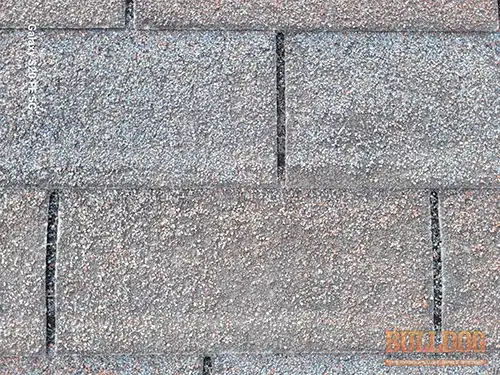
Worn asphalt shingles in Leavenworth apartment buildings aren’t isolated incidents. They’re predictable failures that happen when builder’s grade shingles exceed their 15-20 year expected lifespan in the Kansas City metro area’s climate. The 48-year-old buildings with 25-year-old shingles represent a common pattern I see across multi-family properties where original roofing systems have outlasted their design life by a decade or more.
Understanding shingle lifespan helps property owners plan for replacement before emergency conditions force rushed decisions and premium pricing. In a 48-year-old property with severely worn shingles showing extensive granule loss and structural damage, immediate complete replacement protects the investment and prevents water damage to units below.
About the Author
Steve Rodriguez is a professional home inspector and the owner of Bulldog Professional Inspection Services. He performs more than 600 home inspections annually all across the KC metro area.
Based in: Raymore, MO
Service Areas: Belton, Raymore, Harrisonville, Grandview, Lee’s Summit, Blue Springs, Raytown, Independence, Liberty, Kansas City, MO, Kansas City, KS, Olathe, Leawood, Overland Park, Prairie Village, Shawnee, Lenexa
Certifications: Certified Master Inspector® (CMI). International Association of Certified Home Inspectors (InterNACHI) Certified Professional Inspector since 2004.
This article is based on a real inspection conducted in December 2024. The property address has been excluded for privacy. Cost estimates reflect Kansas City metro area pricing as of December 2024 and may vary based on specific conditions and contractor selection.
Helpful Links
- Check out our GBP post about this lesson
- Recent inspections around Leavenworth, KS
- Home inspection lessons found in other Leavenworth, KS homes
- Learn more about roof types in the Leavenworth area
Schedule Your Home Inspection
Call: (816) 564-3081
Email: info@bulldoginspect.com
Schedule Your Inspection Online