


A master home inspector’s reflection on service drops in Kansas City, MO. homes, with crucial answers and safety insights for homeowners.
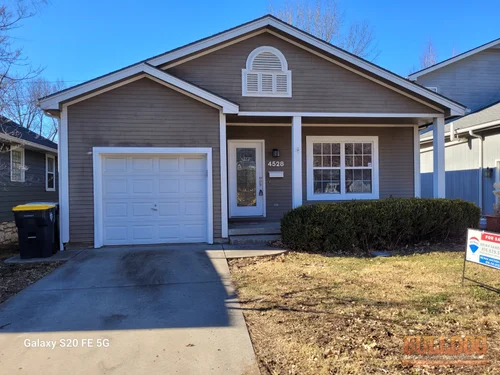
Last Monday during the exterior electrical inspection of an occupied 25-year-old ranch-style home located in the Vogle Heights subdivision of Kansas City, MO. I found that the incoming electrical service cables from the pole were going through a large tree and being rubbed by the branches.
If you are walking around your property in Kansas City, MO and notice tree branches rubbing against the wires leading to your house, you might feel a bit of a spark—and not the good kind. Whether you are a first-time homebuyer, a long-term homeowner, or a real estate investor, understanding how to manage the electrical service drop is a critical part of property maintenance.
**In this guide, we will break down the “who, what, and how” of keeping your lights on and your trees healthy without breaking the law or risking a trip to the emergency room.
Am I responsible for trimming trees around power lines?
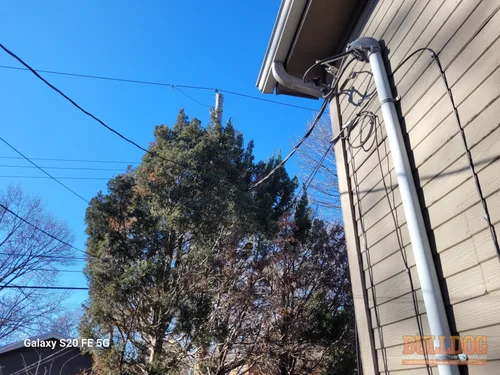
You are responsible for tree trimming near power lines if the branches are interfering with the electrical service drop that runs from the utility pole to your specific property in Kansas City, MO.
The Difference Between Utility and Homeowner Lines
In the utility world, there is a legal distinction between “distribution lines” and “service drops.” The distribution lines are the high-voltage wires that run from pole to pole along the street. According to the Missouri Public Service Commission, utility companies are generally responsible for maintaining these main lines to ensure grid reliability. However, the line that runs from the pole directly to your home’s meter is considered the homeowner’s responsibility to keep clear of vegetation.
Your Responsibility as a Homeowner
While the utility owns the physical wire of the service drop, they generally consider the clearance around that wire to be the homeowner’s responsibility. If you have branches rubbing against this specific line, you are expected to maintain it to prevent power interruptions. For real estate agents and investors, this is a common “fix-it” item during home inspections that should be addressed before a property is listed or sold.
Local Regulations in Kansas City, MO
Understanding the legal distinction between utility and homeowner responsibility is key to avoiding fines or safety hazards. The Missouri Department of Conservation emphasizes that proper tree placement and maintenance are the homeowner’s duty to prevent interference with local infrastructure. In Kansas City, if a branch is threatening your specific electrical service drop, the utility will typically offer to temporarily disconnect your power—often called a “line drop”—so that a private tree service can safely clear the branches, but they will not perform the pruning for you.
⚠️ SAFETY FIRST: Homeowners should never attempt tree trimming near power lines themselves. Even the electrical service drop carries enough voltage to be fatal. Before any work begins, contact Evergy to submit a Vegetation Request to schedule a temporary power disconnect (line drop). This allows a private tree service to safely clear the branches without the risk of electrocution.
What is an electrical service drop and who owns it?
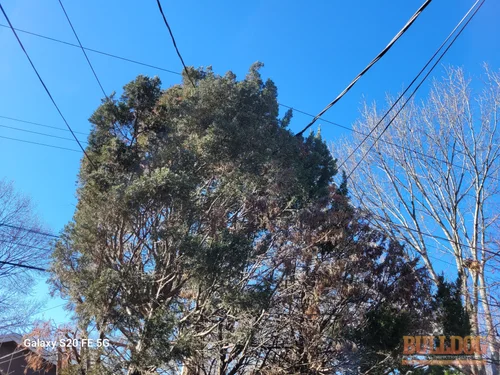
An electrical service drop is the set of overhead wires that run from the utility pole to your house, and while the utility company typically owns the wire itself, the homeowner is responsible for the maintenance of the equipment it attaches to. In Kansas City, MO, this wire is the final link in the grid that brings power into your specific residence.
Understanding the Service Drop Components
When you look at where the power enters a home, there are several parts involved. The “drop” consists of two insulated wires and one bare support wire bundled together. These connect to your home at a point called the weatherhead. While the utility provider, such as Evergy, owns the line from the pole, the homeowner owns the weatherhead, the conduit (the pipe attached to the house), and the meter base where the electricity is measured.
Ownership vs. Maintenance Responsibility
For homeowners and real estate agents in Kansas City, it is important to distinguish between who owns the metal and who handles the surroundings. Even though you don’t own the wire in the electrical service drop, you are responsible for keeping your trees from damaging it. If a tree on your property grows too close, you are the one who must coordinate tree trimming near power lines to ensure the casing on that wire isn’t rubbed raw by abrasive branches.
Why This Matters for Real Estate
Investors and buyers should pay close attention to this connection during a property walk-through. If the electrical service drop is being pulled taught by a heavy limb or if the weatherhead is being bent away from the house by a tree, it can lead to expensive repairs and safety hazards. Ensuring there is clear space around this line is a standard part of home maintenance in Kansas City, MO, and ignoring it can lead to power outages that the utility may not be obligated to fix for free.
Can I hire a private tree trimmer to prune trees near power lines?
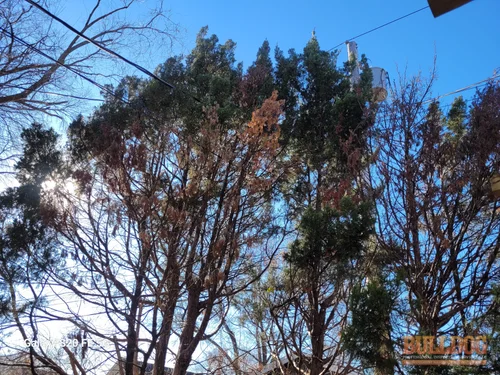
You can hire a private tree trimmer to prune trees near power lines, provided the professional is “Line Clearance Certified” and follows specific safety protocols for working near an electrical service drop. For homeowners and real estate investors in Kansas City, MO, hiring a standard landscaper without this specific certification can lead to serious liability issues or even life-threatening accidents.
Line Clearance Certification
Working within 10 feet of energized lines requires specialized training that most general tree trimmers do not have. Under OSHA regulations and the guidance provided by the Missouri Department of Conservation, only professionals with line clearance certification should be allowed to perform tree trimming near power lines. When vetting a company for your Kansas City property, always ask to see their certification and proof of insurance that specifically covers utility-adjacent work.
Safety Coordination and “Line Drops”
Even with a certified professional, the safest way to handle a branch rubbing against an electrical service drop is to remove the electricity from the equation. In Kansas City, MO, you can contact Evergy to request a “temporary disconnect” or a “line drop.” This service allows the utility to safely de-energize or physically move the service wire so your private tree crew can prune the branches without the risk of an arc flash or electrocution.
Missouri One Call (811)
Before any major tree work begins—especially if it involves heavy equipment or removing stumps—you must contact Missouri One Call (811). This ensures that while you are focusing on the overhead electrical service drop, you aren’t accidentally damaging underground utility lines. This is a critical step for real estate agents advising clients on pre-sale property cleanups to avoid costly damage to the home’s infrastructure.
What happens if a tree branch is rubbing against my service drop?

If a tree branch is rubbing against your service drop, it can cause physical damage to the wire’s insulation, lead to persistent power flickers, or create a serious fire hazard for your home. While the electrical service drop is designed to withstand the elements, it is not designed to handle the constant, abrasive friction caused by heavy limbs swaying in the Kansas City wind.
Abrasion and Insulation Failure
The most immediate danger of a branch rubbing against the line is the wearing down of the protective weatherproofing. Over time, the movement of the tree acts like sandpaper, eventually exposing the energized metal underneath. This is a common concern for real estate investors and homeowners because once the insulation fails, the line can short out against the tree, leading to sparks or a “hot” tree that is dangerous to touch.
Power Quality and “Brownouts”
You might notice your lights flickering or your appliances acting strangely if a branch is interfering with your electrical service drop. These intermittent power issues often happen during storms or high winds when the branch pushes the wire, causing the connection to become unstable. For real estate agents, identifying these flickers during a walkthrough is a major red flag that suggests tree trimming near power lines is overdue.
Fire and Safety Risks
When branches stay in constant contact with power lines, they can create a path for electricity to travel to the ground, which generates heat. In dry conditions, this heat can easily ignite the tree or nearby structures. To ensure the safety of your property, you should follow the Evergy Safety Guidelines and address any rubbing branches immediately rather than waiting for a total power failure or a fire.
What is the minimum clearance between trees and power lines?
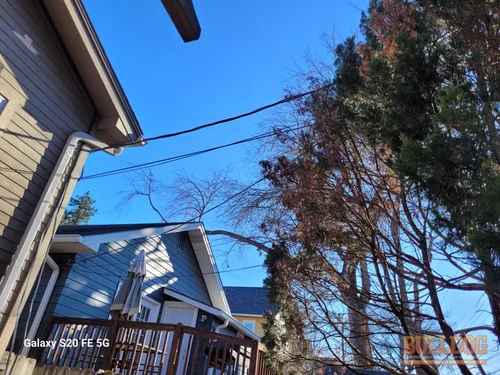
The minimum clearance between trees and power lines is generally ten feet, though this distance can vary depending on the voltage of the line and the specific safety standards set by the utility provider. In Kansas City, maintaining this buffer around your electrical service drop ensures that even during a heavy Missouri windstorm, branches won’t sway far enough to make contact with your electrical connection.
Standard Safe Distance
Industry standards for tree trimming near power lines dictate that vegetation should be kept at least ten feet away from energized equipment. While the service drop to your home carries lower voltage than the main street lines, that ten-foot rule is still the gold standard for preventing fire hazards and insulation wear. For real estate agents advising clients on curb appeal, it is important to remember that “rounding” a tree away from the line is much safer than letting the canopy engulf the wires.
Growth Considerations
When you are pruning, you must account for several years of future growth so you don’t have to repeat the process every season. Fast-growing trees in the Kansas City area, such as Silver Maples or Cottonwoods, can grow several feet in a single year. To stay in compliance with the Missouri Public Service Commission safety recommendations, it is best to prune back far enough that the tree remains well outside the ten-foot zone for at least three to five years.
The “Right Tree, Right Place” Guide
The best way to maintain clearance is to prevent the problem before it starts by following the “Right Tree, Right Place” philosophy. If you are a homeowner or investor looking to add landscaping to a property in Kansas City, MO, choose species that have a maximum mature height of 25 feet or less if they are planted near a power line. Small ornamental trees like Redbuds or Serviceberries are excellent choices that provide beauty without ever interfering with your electrical service drop. You can find excellent localized planting suggestions through the Missouri Department of Conservation to ensure your landscape remains safe and utility-friendly for decades to come.
Summary: Protecting Your Kansas City Home

Maintaining proper tree trimming near power lines is more than just a matter of aesthetics; it is a fundamental part of responsible homeownership and property management. Whether you are a real estate agent preparing a listing or an investor protecting a new asset, ensuring that your electrical service drop is free from obstruction is the best way to prevent unexpected outages and fire hazards. By understanding the distinction between your responsibilities and those of the utility, you can keep your property safe and compliant with Missouri safety standards.
Final Action Plan
If you’ve discovered branches rubbing against your lines, don’t wait for a storm to turn a small problem into an emergency, and be sure to follow these rules:
- Safety First: Never attempt to prune branches touching your electrical service drop yourself; even low-voltage lines can be fatal.
- Inspect Your Lines: Conduct a walk-through of your property in Kansas City, MO to identify all areas of vegetation contact with your service wires.
- Coordinate with Evergy: Use their Vegetation Request system to schedule a “line drop” (temporary disconnect) before work begins.
- Hire Certified Help: Ensure any private company you hire is specifically certified and insured for tree trimming near power lines.
- Dig Safely: Always call Missouri One Call (811) before planting new trees to ensure you don’t hit underground utilities.
Taking these steps today ensures that your Kansas City home remains a safe, high-value investment for years to come.
About the Author
Steve Rodriguez is a professional home inspector and the owner of Bulldog Professional Inspection Services. He performs more than 600 home inspections annually all across the KC metro area.
Based in: Raymore, MO
Service Areas: Belton, Raymore, Harrisonville, Grandview, Lee’s Summit, Blue Springs, Raytown, Independence, Liberty, Kansas City, MO, Kansas City, KS, Olathe, Leawood, Overland Park, Prairie Village, Shawnee, Lenexa
Certifications: Certified Master Inspector® (CMI). International Association of Certified Home Inspectors (InterNACHI) Certified Professional Inspector since 2004.
This article is based on a real inspection conducted in [Month YYYY]. The property address has been excluded for privacy. Cost estimates reflect Kansas City metro area pricing as of [Month YYYY] and may vary based on specific conditions and contractor selection.
Helpful Links
- Check out our GBP post about this lesson
- Recent inspections in Kansas City, MO
- Home inspection lessons found in other Kansas City, MO homes
- Learn more about your electrical system in the Kansas City, MO area
Schedule Your Home Inspection
Call: (816) 564-3081
Email: info@bulldoginspect.com
Schedule Your Inspection Online