


A master home inspector’s discussion of combustion air problems in Buckner, MO homes, with safety warnings and what homebuyers should know.

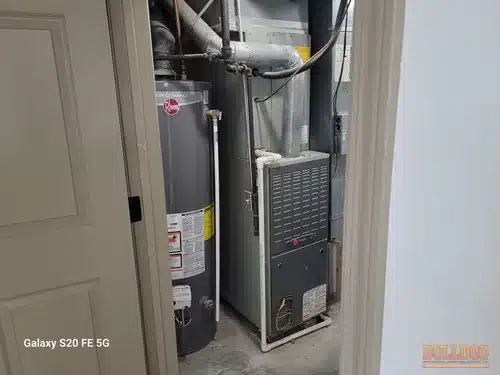
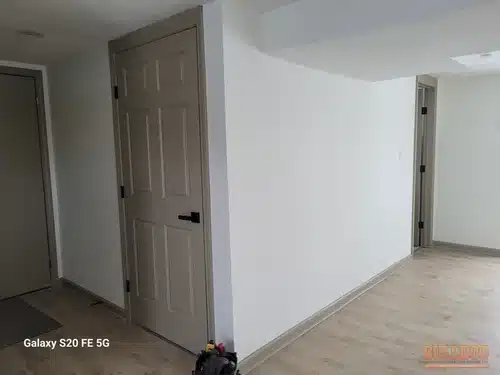
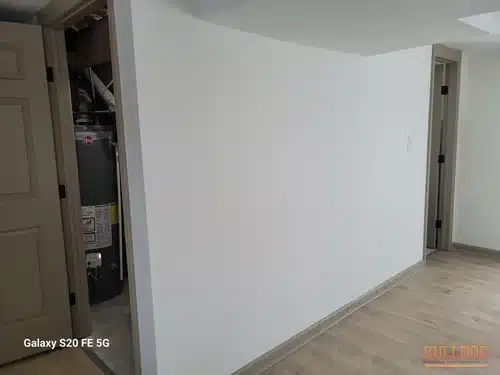
During a recent home inspection of a vacant 49-year-old split-level home in the Village Heights subdivision of Buckner, MO, I found that the conventional furnace and water heater shared a utility closet with no makeup air.
It’s the kind of thing that looks completely normal from the outside and can go unnoticed for years.
This situation usually happens one of two ways. Either the basement gets finished after the home is built and the utility closet gets sealed up in the process, or the installers simply miss the requirement when the equipment is first put in. Either way, the result is the same: a furnace and water heater starving for the combustion air they need to operate safely.
Most homebuyers don’t know this is even something to look for. That’s exactly why I’m writing this.
If you’re buying, selling, or already own a home in Buckner or the surrounding area, here are five questions everyday people ask about combustion air and why the answers matter more than most people realize.
Does a Furnace Room Need a Vent in the Door?
The Quick Answer: Yes, if the furnace room is considered a “confined space” (less than 50 cubic feet per 1,000 BTU of all appliances combined), it needs two permanent openings for combustion air. One of those openings is usually a louvered vent in the door to pull air in from the rest of the house. Without it, the furnace can starve for oxygen and produce dangerous levels of carbon monoxide.
Defining a Confined vs. Unconfined Space
Not every utility room has the same air requirements.
The IRC draws a clear line between two types of spaces: confined and unconfined. An unconfined space has enough volume on its own to supply the air your appliances need to burn fuel safely. A confined space doesn’t, so it needs help from permanent openings or dedicated ducts.
Whether a room is confined or unconfined depends entirely on the size of the room relative to the BTU rating of each appliance inside it.
The 50-Cubic-Foot Rule for Combustion Air
This is the calculation that determines everything.
For every 1,000 BTUs of combined appliance input, the room needs at least 50 cubic feet of space. So if you’ve got an 80,000 BTU furnace and a 40,000 BTU water heater sharing a closet, that’s 120,000 BTUs total. You’d need at least 6,000 cubic feet of space to qualify as unconfined.
Most utility closets in older homes don’t come close to that number.
When the room is too small, two permanent openings are required to provide sufficient combustion air. Those openings can’t be covered with solid panels or blocked by storage. They need to stay open all the time.
Why Louvered Doors Are the Most Common Solution
A louvered door is the simplest fix for a confined utility space.
The slats allow air to flow freely from the rest of the house into the room where the furnace and water heater are operating. It’s inexpensive, it meets code in most jurisdictions, and it doesn’t require cutting into walls or running new ductwork.
That said, a louvered door only works when it draws from a large enough adjacent space. If it’s pulling air from another small room, it may not solve the problem.
Risks of Installing a Solid Door in a Utility Room
A solid door in the wrong place can quietly create a serious hazard.
When combustion air gets restricted, the appliances don’t just slow down. They start producing carbon monoxide instead of the harmless carbon dioxide produced by complete combustion. That gas has no smell, no color, and no warning signs until someone gets sick.
Solid doors also trap heat, raise the risk of flame rollout, and can void manufacturer warranties on newer equipment.
Alternatives to Door Vents (High/Low Wall Vents)
A louvered door isn’t the only option.
When a door replacement isn’t practical, two wall vents are a common alternative:
- A high wall vent placed within 12 inches of the ceiling pulls air from the upper portion of the room.
- A low wall vent placed within 12 inches of the floor draws cooler air from the lower portion of the room.
Both openings must meet the minimum free area requirement, typically 1 square inch of free area per 1,000 BTU of total appliance input. Together, they create the airflow pattern the appliances need to burn fuel cleanly and exhaust safely.

What Happens If a Furnace Doesn’t Get Enough Air?
The Quick Answer: When a furnace lacks sufficient air, it can’t complete the combustion process properly. Instead of producing harmless carbon dioxide, it starts producing carbon monoxide. That incomplete burn can also cause the flame to roll out of the burner compartment, which creates a fire hazard. In severe cases, exhaust gases get pulled back into the living space instead of venting outside, a condition called backdrafting.
The Science of Incomplete Combustion and Carbon Monoxide
Combustion is a simple chemical reaction that requires three things to work correctly: fuel, heat, and oxygen.
When a furnace or water heater doesn’t have enough fresh air to work with, the oxygen side of that equation breaks down. The fuel still burns, but it burns incompletely. That incomplete reaction is what produces carbon monoxide instead of carbon dioxide.
Carbon monoxide is dangerous because you can’t detect it without a working CO detector.
Warning Signs: Soot, Yellow Flames, and Moisture
Your appliances will usually show signs before the situation becomes an emergency.
A healthy gas burner produces a steady blue flame. When combustion air is restricted, the flame can turn yellow or orange, a visible sign that something is off. Soot buildup around the burner or on nearby surfaces is another indicator that incomplete combustion may be occurring.
Excess moisture on windows or walls near the utility room can also point to a ventilation problem worth investigating.
Understanding Flame Rollout and Fire Hazards
Flame rollout is one of the more serious consequences of air starvation.
When a furnace can’t get enough combustion air through the normal air intake path, the burner flame can escape from the burner box, seeking oxygen. That rollout can reach nearby wiring, insulation, or framing. Newer furnaces have rollout switches designed to shut the unit down when this happens, but older equipment may not have that protection.
It’s the kind of defect that can go undetected for a long time in a finished basement.
How Air Starvation Shortens the Life of Your Heat Exchanger
The heat exchanger is one of the most expensive components in a gas furnace.
When a furnace runs consistently without enough combustion air, the heat exchanger is exposed to excessive heat and stress. Over time, that stress can cause cracks to develop in the metal. A cracked heat exchanger is a serious problem because it can allow combustion gases to mix directly with the heated air circulating through the home.
Replacing a heat exchanger can cost as much as replacing the entire furnace.
The Role of Pressure Imbalance in Backdrafting
Backdrafting occurs when the pressure inside the utility space opposes the vent system.
Gas appliances rely on a natural draft to push exhaust gases up and out through the flue. When the room is too tight and combustion air is restricted, negative pressure can develop. Instead of exhaust moving up the vent, it gets pulled back down into the room. In some cases, it is distributed through the ductwork into the home’s living areas.
Backdrafting is one of the reasons that make-up air requirements for a furnace and water heater aren’t suggestions. Their safety requirements are built into the code for a reason.

Do I Need Makeup Air for My Gas Water Heater?
The Quick Answer: Yes. Gas water heaters are atmospheric appliances, meaning they rely on the surrounding air to burn fuel and create a natural draft that pushes exhaust up and out through the vent pipe. If the water heater is in a small room with a furnace, or in a tightly sealed modern home, it needs a dedicated makeup air source to exhaust safely. Without it, the exhaust can linger in the room instead of going where it’s supposed to go.
How Atmospheric Venting Works in Older Homes
Older homes were drafty by nature, and that actually worked in their favor.
Before modern weatherization became standard, homes had enough natural air infiltration to supply combustion air without any special provisions. Gaps around windows, doors, and framing let outside air seep in continuously. That passive air supply was usually enough to keep atmospheric appliances, such as water heaters, operating safely.
Tighter construction has significantly changed that equation.
Comparing Water Heater Air Needs to Furnace Air Needs
A gas water heater and a gas furnace both need combustion air, but they don’t need the same amount.
Water heaters typically have a lower BTU input rating than furnaces, so their individual air requirement is smaller. The problem comes when both appliances share the same confined space. At that point, their combined BTU load determines how much combustion air the room needs, and a small utility closet can quickly fall short.
It’s a math problem that many installers and homeowners don’t think to run.
The “Competing Appliances” Problem: Furnaces vs. Water Heaters
When a furnace and water heater operate in the same space, they’re drawing from the same air supply.
If both appliances happen to run at the same time, the demand for combustion air doubles. In a confined space without adequate makeup air, a single appliance can deprive the others of the oxygen they need. That competition can push both units into incomplete combustion territory at the same time.
This is exactly the situation I found in that Village Heights home in Buckner, MO.
Calculating Total BTU Input for Shared Utility Rooms
The calculation isn’t complicated, but it does require knowing the BTU rating of every appliance in the space.
To find the total BTU input for a shared utility room:
- Locate the data plate on each appliance.
- Record the input BTU rating for each unit.
- Add all the ratings together for the combined total.
- Multiply that total by 50 to get the minimum cubic footage required.
If the room’s actual cubic footage falls below that number, the space is considered confined, and makeup air provisions are required.
Solutions for Makeup Air in Basements and Closets
There’s more than one way to bring combustion air into a confined utility space.
The most common solutions include:
- Louvered door vents that draw air from a larger adjacent area
- High and low wall openings that create a natural airflow pattern within the room
- Direct outdoor air ducts that pull fresh air in from outside the home
- Mechanical makeup air systems for newer, tightly sealed construction
The right solution depends on the space size, the combined BTU load of the appliances, and the home’s construction. A qualified inspector or HVAC contractor can help determine which approach meets code for a specific situation.
Can You Put a Furnace and Water Heater in a Room With No Windows?
The Quick Answer: Yes, you can, as long as the room meets IRC requirements for combustion air. Windows aren’t required by code for utility rooms. What the code actually requires are specific air pathways, either from outside or from larger adjacent indoor spaces, delivered through permanent openings. The room doesn’t need natural light. It needs adequate airflow.
Breaking the Myth: Why Windows Aren’t Proper Vents
Many homeowners assume that a window in the utility room solves the ventilation problem.
It doesn’t. Windows are designed to open and close, which means they can’t count as permanent combustion air openings under the IRC. A window that’s closed on a cold January morning in Buckner, MO, provides zero combustion air to the furnace and water heater running inside that room.
Permanent openings are called permanent for a reason.
IRC Requirements for Utility Room Ventilation
The International Residential Code establishes the standard for ventilating utility rooms.
The code doesn’t care whether the room has windows, natural light, or any other feature. What it requires is that every confined space containing gas appliances have two permanent openings sized to supply adequate combustion air based on the total BTU input of all appliances in the room.
Those openings can come from adjacent indoor spaces or directly from outside, but they have to be there and remain open.
Using “Borrowed Air” from Adjacent Rooms
One of the most practical solutions for a windowless utility room is to draw air from an adjacent larger space.
When the combined volume of the utility room and the adjoining space is large enough to meet the 50 cubic feet per 1,000 BTU requirement, permanent openings between the two spaces can satisfy the code. This approach works well in homes where the utility closet sits next to an open basement or a large mechanical room.
The key here is the word permanent. A door that might be left open doesn’t count.
Combustion Air Ducts: Bringing the Outdoors In
When borrowing air from adjacent rooms isn’t an option, outdoor air ducts are a reliable alternative.
These ducts run from the utility room directly to the exterior of the home, creating a dedicated air pathway that doesn’t depend on the size or layout of the surrounding interior spaces. One duct is typically placed high in the room, and the other is placed low, mirroring the high/low wall-vent approach but pulling air directly from outside.
This solution works in windowless basements, interior closets, and tightly constructed newer homes where indoor air borrowing isn’t practical.
Mechanical Makeup Air Systems for Windowless Rooms
Some situations call for a more engineered solution.
In high-performance homes built to modern energy-efficiency standards, natural-draft ventilation may not reliably supply combustion air. Mechanical makeup air systems use a powered fan to actively introduce fresh air into the utility space. These systems can be tied into the home’s HVAC controls so they operate whenever the furnace or water heater is running.
They cost more to install than passive vent openings, but they can be the right answer when the home’s construction makes passive solutions impractical.
How Much Fresh Air Does a Gas Furnace Require?
The Quick Answer: The standard requirement is 50 cubic feet of space for every 1,000 BTU of total appliance input. A 100,000 BTU furnace needs a room totaling at least 5,000 cubic feet to qualify as unconfined. If the space is smaller, vents must provide 1 square inch of free area per 1,000 BTU of input. That calculation applies to every gas appliance sharing the space, not just the furnace.
Calculating the Cubic Footage of Your Mechanical Room
The math is straightforward, but you have to measure the right space.
To find the cubic footage of a utility room, multiply the length by the width by the ceiling height. A 10-foot by 8-foot room with an 8-foot ceiling gives you 640 cubic feet. That number determines whether the room can supply enough combustion air on its own or requires permanent openings.
If adjacent spaces are connected by permanent openings, their volumes can be combined.
The “1 Square Inch per 1,000 BTU” Rule Explained
When a room is too small to qualify as unconfined, the vent-sizing rule applies.
Each permanent opening needs to provide at least 1 square inch of free area for every 1,000 BTU of combined appliance input. Free area refers to the actual open space in the vent, not the overall dimensions of the grille or louver. Most louvered vents and grilles have a free area that’s smaller than their total face dimensions, so it’s worth checking the manufacturer’s specs before assuming a vent is large enough.
Undersized vents are a common mistake, even on professionally installed equipment
Differences in Air Needs for High-Efficiency vs. Standard Furnaces
Not every furnace pulls combustion air from the room the same way.
Standard furnaces, sometimes called 80% efficiency units, draw combustion air directly from the space they’re installed in. That makes the room size and vent sizing critical for safe operation. High-efficiency furnaces rated at 90% or above typically use a sealed combustion system with a dedicated PVC pipe that draws air directly from outside.
A sealed combustion furnace in a confined space may reduce the combustion air burden on the room, but a standard atmospheric water heater sharing that same space still needs its own air supply.
How Weatherization and Tight Construction Change Air Needs
A well-sealed home can actually work against the appliances trying to keep it warm.
Older homes in the Buckner, MO area and throughout the Kansas City metro were built with enough natural air leakage to passively supply combustion air. Modern energy upgrades, such as spray foam insulation, new windows, and tightly sealed doors, can eliminate that passive air supply. When that happens, appliances that worked fine for decades can suddenly find themselves in a confined space situation without any physical changes to the utility room.
It’s one of the reasons a home energy audit and a mechanical inspection go hand in hand.
Professional Tools Used to Measure Airflow and Pressure
Inspectors and HVAC technicians don’t always rely on calculations alone.
When there’s a question about whether a utility space is getting adequate combustion air, pressure diagnostics can provide a more precise answer.
Some of the tools used to evaluate airflow and pressure in utility spaces include:
- Manometers that measure pressure differentials between the utility room and adjacent spaces
- Combustion analyzers that test flue gas composition for signs of incomplete combustion
- Blower door tests that measure overall home tightness and identify air leakage rates.
- Draft gauges that confirm whether the vent system is maintaining proper exhaust flow
These tools take the guesswork out of a situation that can have real safety consequences. If there’s any doubt about whether a furnace and water heater are getting the combustion air they need, a qualified professional can run the numbers and diagnostics to confirm.

The Bottom Line on Combustion Air in Buckner, MO Homes
This split-level in the Village Heights subdivision of Buckner, MO, is a good example of how a dangerous condition can exist quietly inside a home for years.
Nobody installed that utility closet with the intention of creating a problem. What most likely happened is that the basement was finished at some point after the home was built, the utility space got enclosed during that process, and the combustion air requirements weren’t calculated during the planning phase. It happens more than most people realize, and it happens in homes across the Kansas City metro every day.
The furnace and water heater in that home were working. The heating system was running. Nothing on the surface suggested anything was wrong.
That’s what makes this defect easy to miss and important to understand.
A home inspection is often the first time anyone takes a serious look at whether a utility space meets the requirements for safe appliance operation. For homebuyers in Buckner and the surrounding communities, that inspection can be the difference between walking into a safe home and one with a carbon monoxide risk hidden behind a closed door.
Finished basements are common in this part of the Kansas City metro. But when a basement gets finished without accounting for combustion air, the utility space can end up sealed off from the air supply the appliances depend on.
If you’re buying a home in Buckner, or anywhere in the Kansas City metro area, here’s what to keep in mind:
- Ask your inspector about combustion air for the furnace and water heater.
- Don’t assume a working furnace is a safe furnace without knowing how it’s being supplied with air.
- Pay attention to utility room configuration, especially in homes with finished basements or interior mechanical closets.
- Know the efficiency rating of the furnace, since standard and high-efficiency units have different air supply requirements
Combustion air requirements aren’t complicated once you understand them, but it’s easy to miss when you don’t know what to look for. That’s true for homeowners, real estate agents, and even some contractors.
Getting a thorough home inspection before you buy is one of the simplest ways to make sure a problem like this doesn’t follow you into your new home.
About the Author
Steve Rodriguez is a professional home inspector and the owner of Bulldog Professional Inspection Services. He performs more than 600 home inspections annually, all across the KC metro area.
Based in: Raymore, MO
Service Areas: Belton, Raymore, Harrisonville, Grandview, Lee’s Summit, Blue Springs, Raytown, Independence, Liberty, Kansas City, MO, Kansas City, KS, Olathe, Leawood, Overland Park, Prairie Village, Shawnee, Lenexa
Certifications: Certified Master Inspector® (CMI). International Association of Certified Home Inspectors (InterNACHI) Certified Professional Inspector since 2004.
This article is based on a real inspection conducted in January 2026. The property address has been excluded for privacy. Cost estimates reflect Kansas City metro area pricing as of January 2026 and may vary based on specific conditions and contractor selection.
Helpful Links
- Check out our GBP post about this lesson
- Recent inspections in Buckner, MO
- Home inspection lessons found in other Buckner, MO homes
- Learn more about your HVAC system in the Buckner area
Schedule Your Home Inspection
Call: (816) 564-3081
Email: info@bulldoginspect.com
Schedule Your Inspection Online